Category: Feasts

  • Growing in Friendship with God everyday

    Growing in Friendship with God everyday

    Advertisements

    November 1, 2020 – Solemnity of All Saints

    Click here for the readings (https://bible.usccb.org/bible/readings/110120.cfm)

    Homily

    There is something I want to ask you now. I want you to close your eyes for few moments and in silence, remember the face of your best-friend, that great friend or friends of yours whom you are most comfortable with, that great friend who is always ready to listen and comfort you, that great friend who knew your deepest secrets and pain in life, who has been with you through thick and think, in joy and sorrow.

    Our friends are indeed, gifts to us. Through them and with them, life becomes more colorful, entertaining as well as comforting. As we discover the person of our friends, we too, through them discover more ourselves. That intimacy and affection shared with our friends become the source of our strength especially when life seemed to be not favorable to us. Though, we may not see every day those close friends of ours, yet, our friendship with them stays.

    With this experience of friendship, this reminds me of the saints, whom we remember today. Saints who are also called as friends of God have this special bond with the Lord. Surely, each saint had their own friends too and through their human experience of friendship, they developed their friendship with God.

    “This friendship with God made each saint to be more familiar with God’s voice, more aware of the promptings of the Holy Spirit, and responsive to the invitations of the Lord.”

    Thus, the presence of the Saints in the Church brings us into an awareness on how God works every day in our life. The life of a saint and all those who have lived a holy and joyful life is a manifestation on how God transforms human life creatively and wonderfully through friendship.
    This means that living a holy life is a constant calling of friendship with God. We may struggle to identify God’s voice in the midst of so many voices. What makes a person holy then, is his/her daily commitment in choosing God and allowing God to transform him/her every day. This tells us that saints also experienced mistakes, failures and sins. They too are haunted by their own insecurities and guilt, unfaithfulness and inconsistencies, selfish desires and demons. Yet, every time they fell down, they rose up and chose God again. Indeed, this makes the saints to become closer to God because they grew in friendship with God by knowing themselves and recognizing God every day.

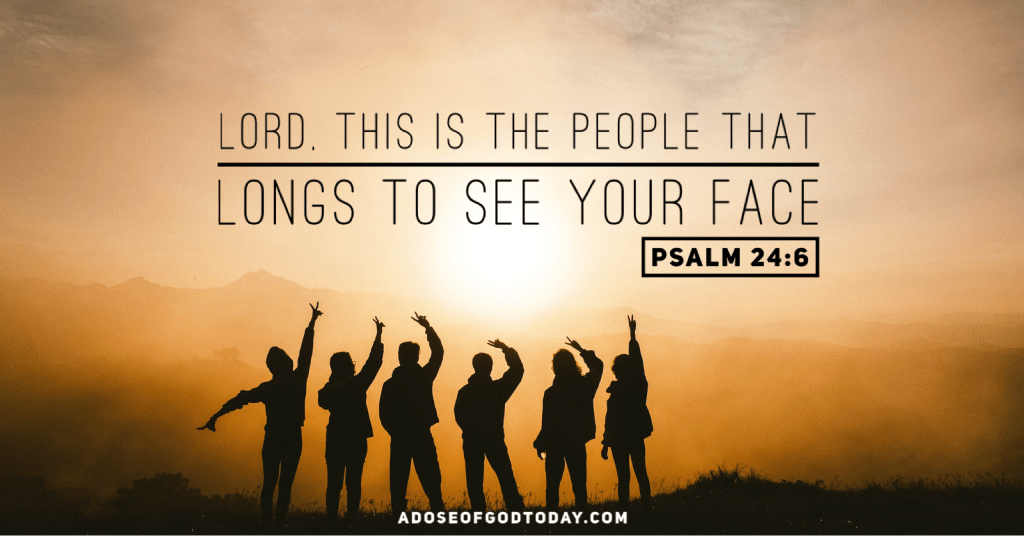
    This tells us of that desire of the human heart to long for God. Indeed, our very life finds its purpose and meaning with God. This is what our Psalm proclaims to us, “Lord, these are the people who longs to see your face.” Our longing for God also explains our deepest hunger and thirst for intimacy and love. God satisfies our deepest longing which sometimes human connection cannot satisfy. Yet, our human experiences of friendship point and bring us to God.

    This is the invitation for us today, that each of us, like all the saints whom we remember today, will grow in friendship with God by knowing ourselves through our weaknesses and strengths and recognizing God who touches every moment of our life.

    Moreover, the Gospel of Matthew which reminds us of the Beatitudes, are the very attitudes of those who are growing in the friendship of God. We become blessed and discover more graces when we begin to realize that we are not the center of everything, but God. The attitudes of dependence and confidence in God, of gentleness and mercy and the desire to be a person for others are fruits of that friendship with God.

    “Thus, difficult situations are turned into graces. Failures are turned into opportunities and windows for mercy. Friendship is turned into door of conversion and blessing.”

    Again, in the first letter of John, we are reminded that we are God’s children, and this is who we are. We are God’s beloved sons and daughters. It is God who claims that we are His. Hence, we too can confidently say now, I am God’s beloved and God is my dearest friend!”

    Allow this powerful words and our powerful God to transform us today and the rest of our life just as saints were transformed!

    Whatever difficulty we are experiencing at this moment, never lose hope with yourself or with God because God never loses his hope in us. Believe in your friendship with God.

    Hopefully, by being more aware of our identify as God’s children, we too shall grow every day in our friendship with God and with one another. Remember this too, “a true friend of God recognizes the face of God with others,” with our brothers and sisters and with the rest of God’s creation. Hinaut pa.

    Jom Baring, CSsR
  • Of Pride and Humility

    Of Pride and Humility

    Advertisements

    November 1, 2020 – Solemnity of All Saints

    Click here for the readings (https://bible.usccb.org/bible/readings/110120.cfm)

    Homily

    What makes angels & saints blessed? What makes devils & sinners cursed?

    St. Augustine once said: “It was pride that changed angels into devils; it is humility that makes men as angels.” It is a matter of pride & humility then that makes people saints or sinner, angels or saints.

    You see, pride is concerned with WHO is right; humility is concerned with WHAT is right. Though both are concerned about right, pride is more on the authority & power, against humility, which is more on the moral principles of right & good. Pride encourages us to scream, “That’s just the way I am” in the hope that we will not hear the soft whisper of humility, asking us, “Yes, but is that the way you should be?”. “Well, this is Me… but should Me be it?” Ganito kasi ako… pero dapat ba akong ganito? Ani naman gud ko… pero angayan ba nga ani lang ko? Pride is being influenced by Shallow Loud Noisy voice of the evil that makes us artificial/fake/plastic, while humility is being inspired by Gentle yet Deep Soft Sound of the Spirit that makes us real & true, warts & all, broken yet blessed before God and others.

    In the Sermon of the Mount, Jesus in our gospel proclaims us through the Beatitudes how Blessed we are (for the Kingdom of God, comfort, inheritance, satisfaction, mercy, being God’s children & Kingdom of Heaven). We are blessed not because of our actions – of what we have done & doing in our lives but moreso because of God’s graces – of what God gives us & God is doing in our lives. We are more so blessed then because of God grace & action, regardless of our doings. However, God’s gift of blessings for us is fully enjoyed & fulfilled in life if and when we are humble enough to acknowledge, value and share these with others. Our humility makes us more well-disposed and appreciative of the fruits of God’s blessings in our lives, and willing to partake it with others, though our pride could render us insensitive and hinders us to fully benefit from God’s grace, and thus making ours and other people’s lives miserable and cursed.

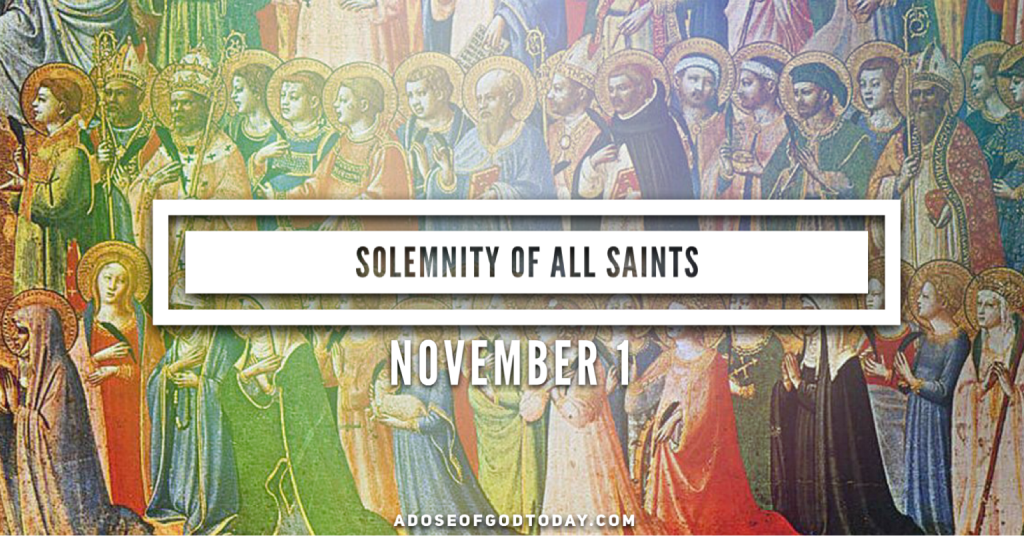
    Today is All Saint’s Day. We honor ALL saints – both the recognized & unrecognized officially by Church. You see, saints or saintly people are in essence like us Christians who humbly witnesses in their faith and lives God’s blessings to all. They are Christians like us – “the people that longs to see your face, O Lord”, who not only by their words & deeds but also by their faith and life, have struggled and still struggling (along with suffering, mistakes, & success) to be humbly real and true to their chosen vocation in life & to fulfill their special mission in God’s grace and kingdom, and in effect have greatly influenced other people’s faith & life.

    Simply put, saints are fellow-Christians who have greatly infected and influenced now our very person and faith as Christian. Somehow and in someway, because of them & through them, we become Christians now. So, think of all saintly people whom you have crossed paths in life and have made you know, love & follow Christ in your life. Perhaps parents, grandparents, relatives, teachers, neighbors, catechists, friends, priests, sisters – both living and dead. Yes, both living and dead, as long as they have influenced and are still greatly influencing your life then-now and always as Christian, because they are & have been SAINTS to you and others. Remember and include them in your prayers these days. Eternal rest to those who have already gone before us. More blessings & witnessing for those who are still with us now, like you and I are still humbly leading our Christian lives saintly – struggling to be true to our calling, fulfilling our mission to be witnesses of God’s blessings and hoping also to influence other’s faith and life – blessed yet broken we maybe.

    Again, being blessed or being cursed, being saint or sinner is a matter of humility and pride.  Our life nowadays amidst quarantine during pandemic times can be a Curse if and when in pride we are ungrateful, ungracious, and greedy of God’s blessings before us… but can be a Blessing if and when we humbly recognize, value, and share God’s blessing with one another, especially those who are in need at this time. We all do need God’s blessings at this time in history. So Let us be a Blessing than a Curse to one another. Rather than remain to be a proud sinner (a pain in the… neck 😉), try to be a humble saint (a helping hand, a gentle presence, a lending ear) to others. With the examples & witness of the saints, may we joyfully admit How Blessed we are by humbly saying: “This is not mine only but Ours to Share” & not by proudly insisting: “This is Mine alone and not yours”. So may it be. Hinaut pa unta. Amen.

    By  Fr. Aphelie Mario Masangcay, CSsR 

  • Trying to Touch God

    Advertisements

    October 28, 2020 – Wednesday, Feast of St. Simon and St. Jude, Apostles

    Click here for the readings (https://bible.usccb.org/bible/readings/102820.cfm)

    Homily

    When we get sick, we normally ask others to help us so that we feel better. Though others would self-medicate, but still reach out for some remedies when one feels sick. We usually seek the company of others too when we are bombarded with problems. Others who feel shy to ask help or feel awkward in reaching out to friends, deal with their own problems. When problems and issues become overwhelming, this result to unhealthy coping like alcoholism, drug abuse, self-isolation and depression.

    This tells us of our humanity and of that longing to be connected, be supported and be helped. And because others find it difficult to seek proper help or address in a healthy way their problems and issues, then, they tend to disconnect from others and retreat into isolation. This unhealthy reaction could have been influenced by a person’s upbringing or because of an unsupportive and indifferent environment within the family or workplace. Yet, despite such environment, people would manage to cope though sometimes in unhealthy ways.

    Today, as we celebrate the feast of St. Simon called the Zealot and St. Jude the son of James, we too are reminded of our desire to be helped, to be healed and to be free. The two are one of the twelve chosen by Jesus after his intense praying. Jesus, indeed, prayed to the Father, before he called the twelve men to become part of his ministry to heal and give life, to known God’s presence and to live in God’s presence.

    Moreover, these two, Simon and Jude proved that their encounter with Jesus changed their entire life. Their ordinary life became extra-ordinarily wonderful though challenging. In fact, Simon who was called “Zealot,” believed strongly in the importance of following the Jewish law. In his search and effort to become righteous, he encountered Jesus and realized that the Lord is the very fulfillment of what he was trying to follow. Jude, also known as Thaddeus, is a patron of desperate people, of those who feel there is no one else to turn to. Jude earned this because of his witness to Jesus that despite his fears and inconsistencies, he allowed the Lord to transform him.

    These two apostles must have been part of the many people who followed Jesus and wanting to touch the Lord. The people were trying to touch Jesus because they wanted to touch God and be healed by the Lord. This desire of the people revealed that human longing to be connected, be supported and be healed by God.

    Power abundantly came out from Jesus because he has so much love for us, so much compassion for all of us. Thus, all those who were seeking to be healed and be freed and have life, were given the grace. This ministry was shared by Jesus to his apostles. Each apostle became a living presence of Jesus to others that others too experienced God’s wonder through them.

    This is also the call and invitation for us today that as we face our own issues and problem in life, concerns and struggles, let us also try to touch the Lord. Certainly, God invites us to touch him and God even waits that we touch him because this will mean that we allow the Lord to heal us, to make us free and to transform our life.

    We will surely be able to touch God when we also begin to open up ourselves and recognize that we need help and we need others to help us. We will be able to touch God when we sincerely and consciously approach the Sacraments in faith. We too are able to touch the Lord when we become more aware of ourselves and aware of what others are also struggling in life. As we touch God and allow the Lord to touch us, we may also truly experience a healing encounter with God, in both of our mind and body, so that we too will in return be part of the ministry of the apostles in brings to Lord to others. Hinaut pa.

    Jom Baring, CSsR

  • Influences

    Influences

    Advertisements

    October 16, 2020 – 28th Week in Ordinary Time

    Feast of St. Gerard Majella, Redemptorist Brother and Patron of Mothers, Parents-to-be and their Infants

    Click here for the readings (https://bible.usccb.org/bible/readings/101620.cfm)

    Homily

    A wise man once said, “Never underestimate our power of speech. It can make life better or bitter”. True indeed, the words we use, either written or spoken, for better or for worse, can affect and influence us & others. Like, better or bitter. Simple play of spelling and pronunciation may invoke both courage and discouragement, can be empowering as well as alarming, and may connote many meanings and messages. That is how powerful our words are. They can influence LIFE (yours and mine) for better or for worse, better or bitter.

    Along with these words is also a warning that we should also be conscious of our influences, i.e. – either by words or action, we should be careful on how others are influencing you and on how you are influencing others as well. Nowadays, by the words you post, comments you made, posts you shared, you are already influencing others. And the vloggers, life-coaches, and so-called influencers you follow, the book you read, the movies & news you watch are already influencing you. That is why we should be conscious and careful of our influences, and be cautious of our words for it can make or break our lives.

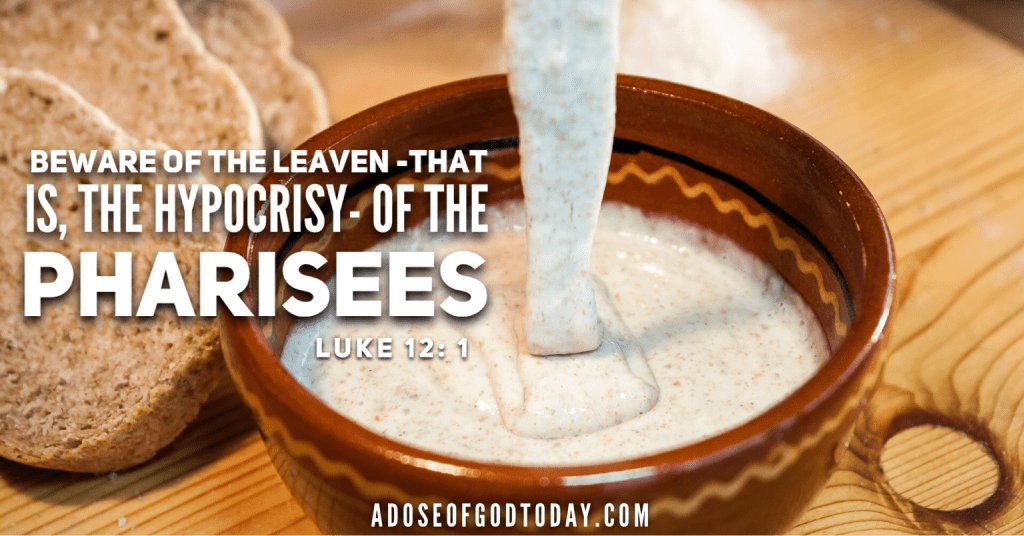
    This is what Jesus warns us in our gospel when he said: “Beware of the leaven – the hypocrisy- of the Pharisees”. For Jesus, we should be conscious of the many influences in our lives – and should prefer to choose the life-giving and encouraging influences that recognize our worth and value before God, over and against soul-crushing and life-breaking worldly influences in our lives. Here, Jesus challenges us to direct and allow our minds, heart, life and soul to be influenced by God’s grace & spirit rather than be influenced by rigidity and oppressiveness of our earthly hypocrisy of human laws and practices.

    Same way with Paul. He believes that God has a better plan for each and everyone of us, but it can only happen in our lives, if and when we allow God’s will and plans to influence our very lives rather than be influenced by the soul-crushing, demanding, and life-breaking influences of our world nowadays.

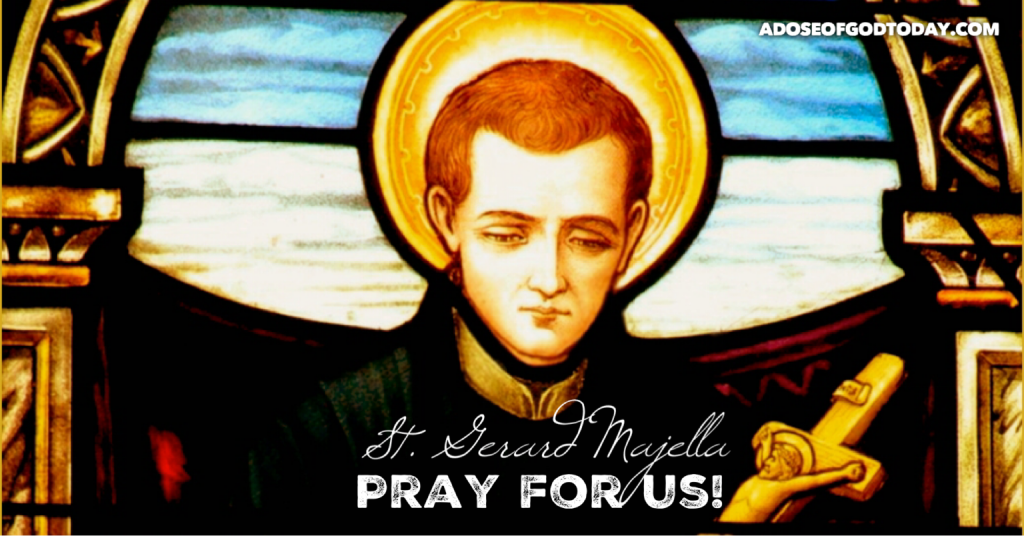
    Consider St. Gerard. In our Redemptorist house in Caposele, Italy where he lived until his death, you can find at the very door of his room a wooden signage posted by St. Gerard that says: “Here the will of God is done, as God wills, and as long as God wills it.” These words represent the very orientation and spirituality that influence the life & faith of St. Gerard, which is God’s will. For him, Everything (life here & now, has been, & will be) is all about and centers on God’s will. All that has happened, is happening & will happen is a chance-encounter & a fulfillment of God’s will, according to God’s plans & ways, and in accordance with God… rather than of ours, & by ours. These words are reflective of St. Gerard’s single-minded devotion to God & his straight forward messages & influences to all those he has ministered and shared his witness of faith and life.

    Again like our power of speech, let us be cautious then of our influences on others & influences in us of others, for it can be life-giving or life-breaking. And like St. Gerard may our influences be of God rather than of men, be for the better than for worse, be for the better & not for the bitter. Amen.

    By  Fr. Aphelie Mario Masangcay, CSsR 

  • Painful and Negative Experiences Can Be Opportunities For Growth and Freedom

    Painful and Negative Experiences Can Be Opportunities For Growth and Freedom

    October 16, 2020 – Feast of St. Gerard Majella,CSsR – Redemptorist Brother

    Homily

    When we experience rejections and deprivations in life, is it not that we also experience discouragements? And when there is a series of tragedies happening in our life, we would certainly feel desperate and begin to have a sense of hopelessness. A possible reaction could be self-blame, or blaming others or blaming God because of the unfortunate events in our life. This is a possible reason why there are people who would yield to a very low self-worth and low self-esteem because of such negative experiences. For others, this leads to desperation, depression and chronic loneliness. Others too would go to the other side that leads to a life filled with bitterness and then to that desire to always seek recognition, acceptance, and satisfaction. To compensate what had been deprived, what was lost or lacking, the person may seek them in many ways. When these desires remain unconscious and become unsatisfied, the person turns to be selfish, corrupt and abusive in his or her relationships.

    However, negative experiences can also become opportunities for us to grow more as a person and into how God desires us to be. Our painful experiences of rejections, deprivations and even traumas in life are also doors that will lead us into a life filled with confidence, meaning and freedom.

    This possibility of living life fully is the life shown to us by St. Gerard Majella whose feast we celebrate today. Before St. Gerard was known to be a patron for mothers and particularly in time of pregnancy and for their infants, the young Gerard experienced hardships.

    At a very young age he was deprived of a father. His father died and being the only boy, he became a father to his sisters. Though he was very young, he was forced by that circumstance to work and support his family. Consequently, the hard work that he endured caused his health to fail. He had a very poor health as a young man. However, despite these difficult circumstances, Gerard was never bitter towards others who were better and well-off. He never blamed God for the difficulties he experienced.

    In fact, Gerard desired that he will offer his whole life in the service of God. But then, because of his poor background and poor health, he was rejected by a religious congregation that he wanted to join. Despite this rejection, Gerard never wavered his decision. When the Redemptorists came in his hometown, he was inspired by them and asked to join their group. Again, because of his poor health, he was rejected. But because of his persistence, he was able to join, but the Redemptorists reluctantly accepted him.

    In terms of intellectual capacity, Gerard was very far from St. Alphonsus, yet, what inspired the people around him was his sincerity. In all the things that Gerard did, he was always sincere, kind and grateful. The words that he expressed were filled with sincerity. Gerard was not after any recognition or just to satisfy his cravings because of the many deprivations in his life.

    Gerard was just happy and sincere because he was very confident with Jesus. His confidence and intimate friendship with the Lord made this poor and sickly Gerard satisfied and filled with gratitude. This is the very attitude proclaimed in our Psalm today, “You are my God, my only good.” Consequently, the very presence of Gerard uplifted and inspired others particularly those who were afflicted with illness, with loneliness, with poverty and other needs. Thus, even in his poverty, Gerard was generous; even in the midst of rejections, Gerard was most compassionate.

    In the same way, Paul expressed this in his letter to the Philippians, he said, “I regard everything as a loss… for his sake I have suffered the loss of all things, and I regard them as rubbish, in order that I may gain Christ and be found in him.”

    This is what Jesus told us in the Gospel today. The life of Gerard was a concrete example after Jesus, of a seed that dies and bears much fruit. Those painful and negative experiences of Gerard were his experiences of dying; his choice to make others happy and to bring others closer to Jesus were his ways of self-denial and denial from his personal cravings. Hence, by his sincere actions and words, Gerard’s life bore much fruit.

    This is the message also for us today. Let us not allow our negative experiences of rejections, deprivations and traumas to bring us farther away from ourselves, away from others and away from the grace of God. Let us rather make them as opportunities for us to grow deeper in the knowledge of ourselves, in our relationship with God and others. As we become sincere and more grateful in our words and actions, we may also become God’s instruments in bringing miracles in your community. Hinaut pa.

    Jom Baring, CSsR