
Category: Feasts

  • A LOVING AND REDEEMING PRESENCE

    A LOVING AND REDEEMING PRESENCE

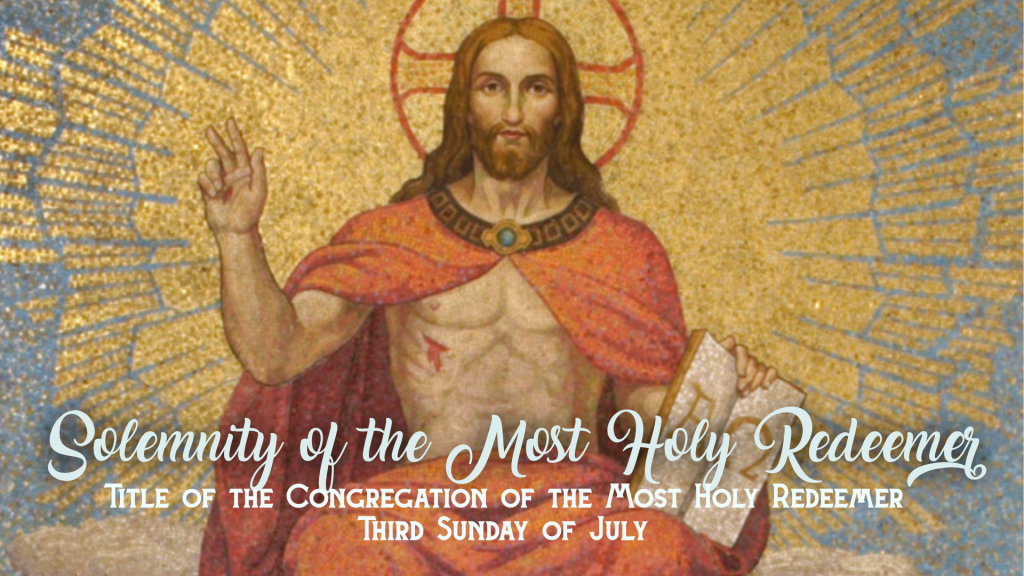
    July 18, 2021 – Solemnity of the Most Holy Redeemer

    Is 55:2b-6; Is 12:2-6; Rm 5:12-21; Jn 3:13-18,21

    How was your God-experience when you were a child?

    Certainly, each of us has our own experiences of God. Our God experiences and even image of God during our childhood would somehow paint the picture of God’s image as we grow older. Our early thoughts and ideas about God would somehow color also on how we relate with Him. Moreover, these thoughts and ideas were greatly influenced by our human experiences. How we were being brought up by our parents and adults around us will surely have an influence.

    In fact, this has been the personal experience of St. Alphonsus Ma. De Liguori, our holy founder of the Redemptorist Missionaries. As it was the culture and popular belief at that time, the young Alphonsus was introduced to a God who immediately would punish the sinner. God was believed to be too far and too high and remote. Yet, God was terrifying because God can put a person into eternal misery and damnation.
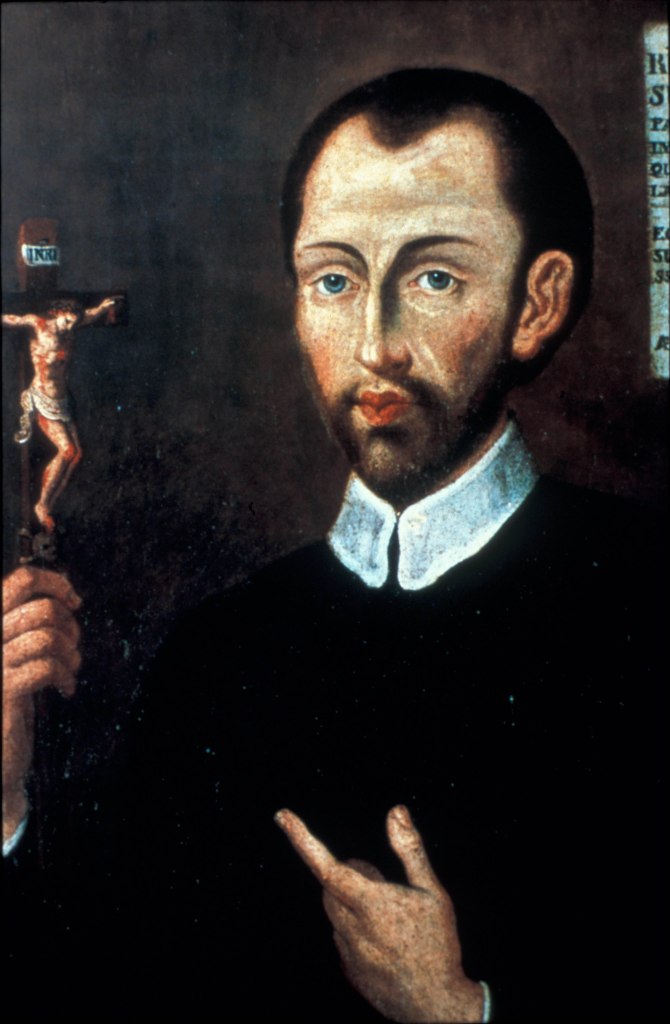
    St. Alphonsus Ma. de Liguori, Founder of the Redemptorists.

    This was in the consciousness of the young Alphonsus. Such belief in this kind of God was even reinforced because of his upbringing at home. His father who was a naval officer and a captain was a strict disciplinarian. One would just expect that Alphonsus must have been terrified by his father. If Alphonsus would commit any mistake, surely, Alphonsus would receive beatings or insults from his father.

    No wonder, Alphonsus became a scrupulous person who was overly concerned that something he thought or did might have been a sin. In modern language, Alphonsus could have suffered OCD or Obsessive Compulsive Disorder. Alphonsus was always terrified that he might have done something wrong, that he might have sinned and will be damned to the point that his guilt would haunt him.

    However, later on, slowly Alphonsus realized God’s true character. Experiences would actually tell him that God is kind and generous, loving and forgiving. Alphonsus felt this as he allowed himself to be at the service of the poor and the sick. This realization of Alphonsus was the very reason of the name of our congregation, the Congregation of the Most Holy Redeemer.

    Christ and his loving and redeeming presence and action brings out God’s true character. God does not condemn. God does not desire our death and eternal misery. God rather desires life that is free and filled with joy for us.

    This is the very message that Alphonsus preached, wrote and sang about that Jesus redeems us and liberates us from sin and death and to whatever that makes us miserable and lifeless. And this is God’s initiative because it is God’s desire.
    Our first reading and Psalm proclaimed about this. The first reading told us how Yahweh made an everlasting covenant with His chosen people. God makes the initiative to relate to us in love. Our Psalm reminds us about the faithfulness of God that we should rather not fear God but trust Him because God is our strength.

    This revelation tells us that God does not threaten us with God’s power to punish and bring us to eternal death. God rather related with us in the most personal and intimate way. This is what we affirm as we celebrate the Solemnity of the Most Holy Redeemer.

    The scriptures tell us that the God who created the world is a God who hears the cry of the poor and the entire creation. This God is neither apart nor alien to us but a God who is near and close to us. Our God is not “somewhere out there” but rather “here with us” who tirelessly journeys and lives with us from the beginning.

    Thus, despite our sinfulness, stupidity, and unfaithfulness, God never surrenders on us. St. Paul proclaimed in his letter to the Romans, “where sin increased, grace abounded all the more.”

    This is how the Gospel reminds us too that God “so loved” the world that he gave his only Son. In our pains and struggles in life, God stays with us. With Jesus, God walks and speaks to us. God even laughs with us and cries with us and to the point of suffering and dying for us.

    See, though God is almighty and all-powerful but God never threatened us with His power of control and dominance. God builds intimate friendship with us, showing care and compassion, offering healing and salvation.

    Hence, this feast of the Holy Redeemer is all about that relationship with a God who desires to be with us and to share life with Him.

    This is how we are invited to grow today – that we too will also live in friendship with others, by showing concern and love, offering healing and peace.

    We have to be watchful then, when we gain power over others and will tend to exercise control and dominance over them. With this tendency, we will be inclined to abuse the weak and that instead of building bridges, we build walls, instead of developing friendship, we promote fear. As a result, we will become indifferent to the struggles of others and intolerant to the mistakes of those who are around us. This is not what God wants us to be.

    God wants us to make friends, to show our affection and concern in the way Jesus makes us his friends so that we too shall learn to become individuals and a community with a loving and redeeming presence. Hinaut pa.

  • I AM FEARFULLY AND WONDERFULLY MADE

    I AM FEARFULLY AND WONDERFULLY MADE

    June 24, 2021 – Solemnity of the Nativity of John the Baptist

    Click here for the readings (https://bible.usccb.org/bible/readings/062421-Day.cfm)

    I am fearfully and wonderfully made!” How many of us will be able to own this and confidently say this? The Responsorial Psalm on this Solemnity of the Nativity of John the Baptist proclaimed to us such realization and deep awareness of God’s creative power. Each person as the author of the Psalm proclaimed is fearfully and wonderfully made. We are not made out of accident even if our birth was unplanned by out parents. Our life is not a waste no matter how many failures we have made. Each life is sacred despite the intention of many to suppress life and kill the life of a person.

    As God made each of us and formed our inmost being and knit us in our mother’s womb, God also understands our thoughts, our dreams, our hopes and even our pains and struggles. Because of this, within us, in our hearts, we have that connection with God. Our inmost being is entirely grounded in God. Only if we are always aware of it then, we would not dare hurt ourselves or hurt others in any form of abuse, maltreatment and evil.

    However, because many are not aware of this and others refuse to believe on this, abuses, oppression and other forms of evil are committed against the weak.

    This feast of the birth of John the Baptist reminds us now of this truth. In fact, through the birth of John revealed in our readings today, God manifests that He is gracious and faithful despite our unbelief and doubts. God continues to reveal himself to us even though we refuse to believe.

    This was the very role of John the Baptist. John was to bring people again to believe that God created us fearfully and wonderfully. God finds delight in each of us. And that despite the struggles and the tragedies we have been through, God never abandons us. God remembers and God is here with us.

    This made John a great and important prophet because he reminded the people about God, made people recognize God and brought them close to God. Yet, because of this role of John, it led him to troubles. He was martyred, beheaded, because of this cause to make people recognize God.

    However, in spite of that, John never wavered in his conviction to preach what God wanted him preach and to do. John, as he was fully confident in the presence of God, found peace and freedom in the Lord. This is how John became a gift to us. His name, John, means God is gracious. John’s life is a gift to his disciples and to the disciples of Jesus who through John found the Messiah.

    This is the invitation for us today also. As we are called to grow in our confidence in God who fearfully and wonderfully made us, we are also called to give our utmost respect to every human life, to work for a cause that gives justice, freedom, development and opportunities for growth to every human person.

    Our small contribution in charitable initiatives and sharing our resources to those in need of help, by extending our presence to the lonely and the sick, by understanding those who are confused, by forgiving those who are wronged us, and by being kind in words and actions at all times to everybody can be our ways of becoming a gift to others. Like John, we shall also be able to proclaim that God is gracious and faithful. Hinaut pa.

  • GROWING NOT IN FEAR BUT IN GRATITUDE LIKE MARY

    GROWING NOT IN FEAR BUT IN GRATITUDE LIKE MARY

    June 20, 2021 – Feast of Our Mother of Perpetual Help; 12th Sunday in Ordinary Time

    Click here for the readings (https://bible.usccb.org/bible/readings/062021.cfm)

    When I was growing up, I was taught to fear God because He brings punishment to disobedient children. I was taught to be good and to follow my parents and elders so that God won’t be angry at me and condemn me in hell. Somehow, I developed dependence on rules and regulations, at home and at school. I tended to be hard on myself and on others whenever rules were broken. Yet, I was also inclined to feel righteous by being an obedient boy but condemning to those who did not follow the rules.

    Such upbringing made me believe that God was like an old grandfather always holding a stick and whose eyes were always angry, ready to strike a naughty boy.

    However, this belief in God made me distant from God. Faith and my relationship with the Lord was motivated by fear of punishment. Is this the kind of faith that God wants us to develop, then? Does God want us to relate with Him through fear?

    Surely, this is not what God wants. God’s self-revelation in our history tells us that God is our creator, defender, savior, a parent, a friend, and a companion because his love is everlasting, as what the Psalm proclaimed today. Indeed, in Jesus, God tells us that He is with us, he brings good news, freedom and salvation.

    This is the very image that has been revealed to us in today’s Gospel. The disciples who were terrified by the storm thought that Jesus was indifferent to the dangers they were facing. Yet, they were wrong. Jesus was entirely confident in the Father. This is what Jesus showed to them as he calmed the storm and brought peace. Having these images and experiences of God, should we be afraid of Him which could prevent us to develop an intimate relationship with God?

    God desires us that we love Him. He constantly invites us to come closer to Him because through Him, then, we shall find the fullness of our life. Jesus desires that we grow in gratitude to God for not giving up on us and for being always with us. In fact, St. Paul told us in his letter to the Corinthians, “Christ died for all” – for each of us no matter how underserving we are.

    We find this in the life of Mary, Our Mother of Perpetual Help. Mary is motivated by love and gratitude to God. Despite the fear that she felt at the announcement of Angel Gabriel to carry in her womb the presence of God, love and gratitude also must have filled her heart to respond to God.

    Her constant listening to God allowed her to understand more fully the identity and mission of her Son and Lord. Because of this, Mary must have discovered herself in God’s plan of salvation. And Mary responded to Gabriel saying, “I am the handmaid of the Lord. Let it be done according to your word,” because the love and gratitude in her heart made her more confident not just with herself, with her ability and strength but most especially, she has become totally confident to God who loves her.

    Indeed, Mary, our Mother, brings inspiration to us now that our God, certainly, desires that we become grateful to Him because it is when we become grateful that we become confident. By being grateful to God, our insecurities will certainly lessen and our fears will be transformed into faith. This is how we become a new creation, as what St. Paul told us, because gratitude brings us closer to Christ and whoever is in Christ is a new creation.

    Let us also remember that when we become grateful, we also become joyful because we will be able to recognize how blessed we are. This is also how the old things in us, (our old hatred and grudges, anger and insecurities) shall pass away so that new things will come.

    Mary, as a new creation, is certainly a joyful woman, and no wonder, she is blessed among women because with her is the presence of God.

    This gratitude and joy will move us also to recognize ultimately the source of blessings. When we are able to recognize God then, it also follows that we will be moved to respond to Him in love.

    The Book of Deuteronomy (6:5) tells us to love the Lord God with all our heart, whole being and strength. Loving the Lord then, is our expression, not of fear, but of our deep gratitude to God.

    Moreover, Jesus reminds us of the immediate result of loving the Lord. The love of neighbor is the concrete manifestation of loving the Lord. Remember, God’s image is in each of us. Therefore, if we love God, then, it also means that our love is being expressed towards ourselves and with our brothers and sisters who are created in God’s image and likeness.

    Thus, we should be very careful when we tend to become so stiff with our religious practices but having a growing indifference towards people around us, then, our devotion to God is empty and merely motivated by fear. Our religiosity can be a mere appearance of our arrogant devotion when we also refuse to see and recognize the abuses in our community and choose to be silent amidst oppression and injustice committed against the powerless and the weak.

    To love God calls us then, to love one another. And we can begin and renew our commitment today by being grateful to God which would hopefully make us joyful persons like Mary. When we are joyful, God transforms us to be generous to others, both in our words and deeds. Thus, joyful and grateful persons are truly generous because true generosity springs forth from those attitudes of gratitude and joy. However, when we pretend to be generous but having an impure motive, just to advance our personal interests, then, this is not a true expression of love towards others, but selfishness.

    Hopefully, we will be constantly reminded through our devotion to Mary, Our Mother of Perpetual Help to grow not in fear but in gratitude and that Jesus invites us to love our God and our neighbors, regardless of our differences. Hinaut pa.

  • GOD’S RECONCILING PRESENCE IN THE HEART OF MARY

    GOD’S RECONCILING PRESENCE IN THE HEART OF MARY

    June 12, 2021 – Memorial of the Immaculate Heart of Mary, Philippine Independence Day

    Click here for the readings (https://bible.usccb.org/bible/readings/061221.cfm)

    “The love of Christ impels us.” Paul reminds us in his Second Letter to the Corinthians. This means that this love indeed urges and motivates us to go beyond and become the person God wants us to be. Hence, Paul also says, “whoever is in Christ is a new creation. The old things have passed away and new things have come.” This has been made possible because of God who came and initiated that we become reconciled with Him.

    Certainly, reconciliation with God transforms us from old into new, from death to life. Such transformation urges, impels and moves us to become a reconciling presence in our communities, in our Church and in the world.

    However, how does a reconciling presence influence others and bring change? Our Responsorial Psalm proclaims today of four main points.

    • First, it gives pardon to all our iniquities.
    • Second, it heals all our ills.
    • Third, it redeems our life from destruction.
    • And fourth, it crowns us with kindness and compassion.

    This is the experience of the Hebrew Community of which the Psalm speaks about. God’s presence in the midst of His people is a reconciling presence because the “Lord is kind and merciful.”

    Such confidence and faith in God must have filled the heart of Mary, whose Immaculate Heart we celebrate today. Her heart is immaculate because what we find there is the Lord who is kind of merciful made into man like us. Yes, the heart of Mary is filled with Jesus.

    This is the reason why Mary remained calm and at peace despite the fear and confusion she felt at the announcement of the Angel Gabriel to her, during the arrival of the shepherds when Jesus was born and now of being baffled and anxious when Jesus was lost but finding him in the Temple.

    Though she did not understand fully everything at an instant but Mary would always “keep everything in her heart.” With all the complexities, strangeness and difficulty to understand the situation, Mary keeps the Lord close to her heart. She keeps all those revelations from the Lord close to her heart that she may be able to understand them in the way God desires them to be understood.

    This was how Mary would always find wisdom and strength because with the many events that happened in her life, she might not be able to bear them all. Mary will surely remain confused, afraid and unable to decide and do anything if she chose to distance herself from the Lord by reacting out of impulse or mere emotions.

    “Keeping all those things in her heart” really means that she tried to understand how God was uncovering and revealing to her the plan of salvation. Mary realized that God reveals Himself every day. Mary did not want to miss all of them.

    Mary was able to do that because within her heart, God is already there. She has welcomed the Lord and allowed the Lord to be always in her heart. This led her into understanding from God’s perspective and so she responded to every invitation of God for her, willingly and lovingly.

    This is how we find Mary’s presence reconciling in our Christian faith because her life is an example of a perfect communion with God. We now find comfort in her, as a mother, because her human heart is touched by the Lord who is kind and merciful. Mary, indeed, has become a reconciling presence to us because we find in heart Jesus, the Lord.

    In the same way, we are called today that our hearts be also touched by the Lord, that we become more welcoming to the Lord and allow the Lord to be in our heart. Like Mary, as we allow the love of Christ to touch our hearts, it may impel us to become a reconciling presence in our homes, communities and in our beloved country, the Philippines. Hinaut pa.

  • LOVE IS THE FULLNESS OF GOD

    LOVE IS THE FULLNESS OF GOD

    June 11, 2021 – Solemnity of the Most Sacred Heart of Jesus

    Click here for the readings (https://bible.usccb.org/bible/readings/061121.cfm)

    In the Book of Prophet Hosea, we have been presented with an image of God as a parent and as a healer. Hosea beautifully captures these images of God who only fills with love His child, Israel. God’s love, indeed, nurtures and heals, builds and forgives. Such way of loving from God is written in the whole Scripture that is why we are always reminded how God calls us again and again through love.

    This is best described in the Responsorial Psalm today taken from the Book of Isaiah. The Prophet expresses his confidence in God because he has experienced with God the love that gives strength and courage. God’s presence is water that fills and satisfies our empty heart, quenches the thirst in us for love and support.

    In the same confidence, Paul also reminds the Ephesians of the love of Christ which surpasses knowledge. This is love beyond idea or any ideology, but this is in its most concrete expression of love that sacrifices oneself for the sake of the beloved. This is love that gives life. This is how Paul affirms that the love of Christ truly fills us because love is the fullness of God.

    In that fullness of God, God only desires to share that love that will fill every empty but insecure and fearful heart. This is how the Gospel of John reveals to us the physical and literal overflowing of blood and water from the pierced heart of Jesus. The soldier who thrusted his lance into the side of Jesus witnessed this.

    The seemingly dead body of Jesus, flowed out blood and water which only gives life and joy, satisfies emptiness and also nurtures and heals, builds and forgives. This tells us that even when Jesus was being hurt, the Lord continues to bring out his love and only love.

    This is the very message of the Most Sacred Heart of Jesus. This Solemnity is not a mere worshipping of an organ, “the heart” per se, but of Jesus himself who constantly showed us the love of God spoken about in the Scriptures.

    There are two invitations for us today.

    First. Be filled by that love of Christ. His love only brings fullness in us. Thus, learn to be confident in his love! Be overwhelmed by his love! Seek his love that will satisfy our every hunger and thirst for love and intimacy, for acceptance and support.

    Second. Learn from his way of loving. Let our expression of love to truly give life. Let our love nurtures immaturity, builds the confidence of the fearful, heals the brokenhearted and in pain, forgives the sinner and does not plant hate and violence. Hinaut pa.