
Tag: Sunday

  • Desiring God Always

    Desiring God Always

    Advertisements

    November 8, 2020 – 32nd Sunday in Ordinary Time

    Click here for the readings (https://bible.usccb.org/bible/readings/110820.cfm)

    Homily

    The first reading was very interesting. We have heard that Wisdom was personified by a “she,” by a woman who hastens to make herself known to us in anticipation of our desire to have her. Wisdom even makes her rounds, “seeking those worthy of her, and graciously appears to us with great attention and care.” This is a sign of intimacy from God being shown to us. This image actually makes me remember of my own experience with my mother, surely with your own mothers too. Usually, if not most of the time, a mother always knows what her son or daughter needs and wants. As soon as I pronounce the word, “Ma,” my mother knows what I need.

    This is wisdom described to us in the first reading. Now, wisdom is innate in each of us as we are created in God’s image and likeness, who is the source of wisdom. Our Psalm reveals what is innate in each of us. Our Psalm says, “My soul is thirsting for you, O Lord my God.” Yes, our human heart is designed to long for God, to be with God. Acknowledging our “thirst for God” is in fact the beginning of Wisdom which makes us become conscious of the importance of God in our life. Wisdom is also faith because it leads us to believe in God who has been “seeking to find us.”

    Let us remember this, that God seeks to find us as wisdom has been seeking for us in anticipation of our desire to find her. This is a hint for us that though God seeks to find us first, yet God wants something from us also – and that is to have “the desire to long for him.” It means acknowledging our desire for God. It is in recognizing our desire for God that our heart will keep burning. Our desire to be with God makes us hopeful, generous and joyful as we wait to welcome the Lord in our life.

    This is basically what our Gospel is teaching us today. The Parable of the 10 virgins gives us the image of people who lose hope and forget their desire for God and people who hope against adversities and difficulties and still remember their desire to welcome God in their life.

    Thus, the Gospel actually assures as that in our Christian life we may fail, we may fall asleep in the middle of the night because we have become so tired from waiting for the Lord, because our prayers remain unanswered, because you have failed several times in your exams despite your reviews and daily devotion, or your partner or family member is still problematic despite the prayer intentions you have offered, or until now you are not yet healed from your illness which gives you suffering despite the many “pamisa” you’ve made, or your loved one was taken away from you because of a sudden death even though you have been a good catholic, or because this pandemic is taking too long to disappear and your job or business is losing and you have grown tired from this quarantine and in following the protocols while powerful political people in our country enjoy the comforts of life yet people are growing hungry, homeless and sick, etc.

    These experiences are truly disappointing. They discourage us and so we feel that our faith is weakened. This happens when we lose our desire for God and tend to focus more on our personal wants, personal assurance of comfort and security.

    This was the situation of the five foolish virgins. It was not just about running out of oil in their lamps but losing their desire for God. They were losing the light and oil of their lamps and so was their enthusiasm to meet the bridegroom. They felt tired from waiting and waiting for the bridegroom to come.

    This situation was also the condition of the Christian Community under St. Matthew’s. His people had grown tired, felt hopeless because Jesus seemed not to come back anymore as he promised. At this time, the belief of the immediate “parousia” or the second coming of Jesus was so strong that anytime during their lifetime – Jesus will come to welcome them all in his kingdom. Yet, the first disciples were already being martyred by the Romans and as if nothing was happening. Therefore, Matthew addressed them here and challenged them to be like the other five wise virgins and that is “to be always vigilant” – “to be always ready to welcome God” despite the difficulties and discouragements that they were experiencing.

    This is the invitation for us this Sunday and that is to be wise enough, to seek wisdom from God, to desire Him even in the midst of trials, of discouragements, of boring and dry moments, and even in the most ordinary days of our life.

    Remember, God reveals his abiding and loving presence to us in any moment of our life. Let us keep our hearts then to always desire God through our constant and intimate communication with God through our personal prayer and through this Eucharist.

    Let us hope that as we are able to meet the Lord in our ordinary life may it become a moment of joy for us and a life-changing experience for us and for our community. Hinaut pa.

    Jom Baring, CSsR
  • Of Pride and Humility

    Of Pride and Humility

    Advertisements

    November 1, 2020 – Solemnity of All Saints

    Click here for the readings (https://bible.usccb.org/bible/readings/110120.cfm)

    Homily

    What makes angels & saints blessed? What makes devils & sinners cursed?

    St. Augustine once said: “It was pride that changed angels into devils; it is humility that makes men as angels.” It is a matter of pride & humility then that makes people saints or sinner, angels or saints.

    You see, pride is concerned with WHO is right; humility is concerned with WHAT is right. Though both are concerned about right, pride is more on the authority & power, against humility, which is more on the moral principles of right & good. Pride encourages us to scream, “That’s just the way I am” in the hope that we will not hear the soft whisper of humility, asking us, “Yes, but is that the way you should be?”. “Well, this is Me… but should Me be it?” Ganito kasi ako… pero dapat ba akong ganito? Ani naman gud ko… pero angayan ba nga ani lang ko? Pride is being influenced by Shallow Loud Noisy voice of the evil that makes us artificial/fake/plastic, while humility is being inspired by Gentle yet Deep Soft Sound of the Spirit that makes us real & true, warts & all, broken yet blessed before God and others.

    In the Sermon of the Mount, Jesus in our gospel proclaims us through the Beatitudes how Blessed we are (for the Kingdom of God, comfort, inheritance, satisfaction, mercy, being God’s children & Kingdom of Heaven). We are blessed not because of our actions – of what we have done & doing in our lives but moreso because of God’s graces – of what God gives us & God is doing in our lives. We are more so blessed then because of God grace & action, regardless of our doings. However, God’s gift of blessings for us is fully enjoyed & fulfilled in life if and when we are humble enough to acknowledge, value and share these with others. Our humility makes us more well-disposed and appreciative of the fruits of God’s blessings in our lives, and willing to partake it with others, though our pride could render us insensitive and hinders us to fully benefit from God’s grace, and thus making ours and other people’s lives miserable and cursed.

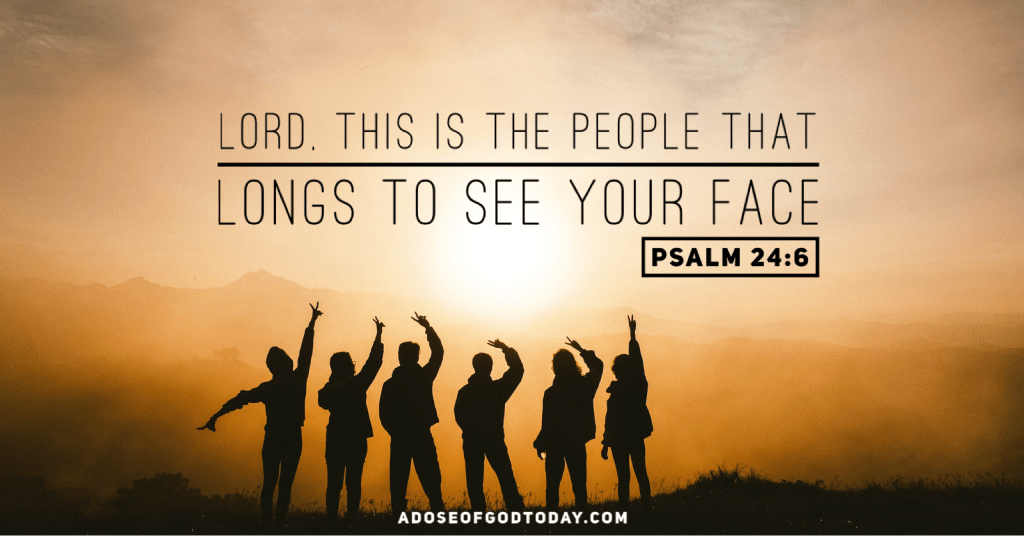
    Today is All Saint’s Day. We honor ALL saints – both the recognized & unrecognized officially by Church. You see, saints or saintly people are in essence like us Christians who humbly witnesses in their faith and lives God’s blessings to all. They are Christians like us – “the people that longs to see your face, O Lord”, who not only by their words & deeds but also by their faith and life, have struggled and still struggling (along with suffering, mistakes, & success) to be humbly real and true to their chosen vocation in life & to fulfill their special mission in God’s grace and kingdom, and in effect have greatly influenced other people’s faith & life.

    Simply put, saints are fellow-Christians who have greatly infected and influenced now our very person and faith as Christian. Somehow and in someway, because of them & through them, we become Christians now. So, think of all saintly people whom you have crossed paths in life and have made you know, love & follow Christ in your life. Perhaps parents, grandparents, relatives, teachers, neighbors, catechists, friends, priests, sisters – both living and dead. Yes, both living and dead, as long as they have influenced and are still greatly influencing your life then-now and always as Christian, because they are & have been SAINTS to you and others. Remember and include them in your prayers these days. Eternal rest to those who have already gone before us. More blessings & witnessing for those who are still with us now, like you and I are still humbly leading our Christian lives saintly – struggling to be true to our calling, fulfilling our mission to be witnesses of God’s blessings and hoping also to influence other’s faith and life – blessed yet broken we maybe.

    Again, being blessed or being cursed, being saint or sinner is a matter of humility and pride.  Our life nowadays amidst quarantine during pandemic times can be a Curse if and when in pride we are ungrateful, ungracious, and greedy of God’s blessings before us… but can be a Blessing if and when we humbly recognize, value, and share God’s blessing with one another, especially those who are in need at this time. We all do need God’s blessings at this time in history. So Let us be a Blessing than a Curse to one another. Rather than remain to be a proud sinner (a pain in the… neck 😉), try to be a humble saint (a helping hand, a gentle presence, a lending ear) to others. With the examples & witness of the saints, may we joyfully admit How Blessed we are by humbly saying: “This is not mine only but Ours to Share” & not by proudly insisting: “This is Mine alone and not yours”. So may it be. Hinaut pa unta. Amen.

    By  Fr. Aphelie Mario Masangcay, CSsR 

  • How’s your love-life?

    How’s your love-life?

    October 25, 2020 – 30th Sunday in Ordinary Time

    Click here for the readings (https://bible.usccb.org/bible/readings/102520.cfm)

    Homily

    Early 1991, a popular song by Extreme, an American rock band entitled: “More than Words” was released.  Surely we all have heard and familiar of this song. Many of us could relate with the song, as we listen to it along with its cool acoustic strumming, nice voice blending, and even sometimes we catch ourselves singing-along with the lyrics like: “Then you would’nt have to say that your love me… coz I’d already know”. Nice song, diba? Well, for us, it might be one of the cool sounds to hear, nice to sing-along with, popular and common song of our time. But, for others, the song: “More than words” is their most special, intimate, and personal love song.

    You see, for us Catholic, marriage rite and weddings mean more than just contracts, ceremony, receptions, or party, but it is a sacrament. And again for us Catholic, what makes a marriage sacrament is more than just the wedding rites, receptions, guests and entourage, remembrance photos-videos, missalette, attire, even the presider-priest. But what makes wedding day a Sacrament is the presence and love of the couple themselves, before God’s altar. Yes, the couples’ very love for each other, their faith in God, and their resolve to love each other eternally and sacredly make their marriage and their wedding SACRAMENT. More than the words, gestures, decorations, expenses, attires, food and others is the couple’s consecrated LOVE itself – a SACRAMENT of God’s love and our love.

    For what is a SACRAMENT? A sacrament is human expressions of our sacred love to God and each other, as well as is God’s human expressions of love to us. Somehow, a sacrament is our response to God’s commandments of love to “Love one another”. It is sacred expression of our love of God as we love one another, and it is human expression of our love of one another, as we love God. And for all those who know and experience what love is, Love is more than the words we say but moreso about the life we live, and commit to. Love is more than just saying “I love you” but meaning what you said & promised, i.e. being here present for this person all the days of your life, whatever it takes, whatever others say about you both. Love is, as the song would say: More than words to show you feel/ that your love for me is real. Meaning, Our Love of others is something REAL than the words spoken or written. Loving others is something Sacred, Holy, Personal, Intimate, Eternal, Divine. In other words, SACRAMENT, expression of God’s love for us and our love for God.

    In our gospel today, the Lord reminded us of the commandment for us to Love God with all our hearts, mind & soul, and to love one another as we love ourselves. Here Jesus simply challenges us to make & offer our Lovelife to be Holy, Sacred and Godly before God and others. You see, Love is basically all about our being intimately, closely & personally related with an-other person. Human as we are, we need to be intimately in relationship with others – we need to love others & be loved by others in life. As we do our best, struggle & grow with our lovelife, the invitation really is to make our Lovelife a Sacrament – to consecrate our Love to the Lord, as our concrete way of loving God in our life. Loving others as oneself is already great, but the greatest things is to offer our love for others Godly and sacredly (diniyos/balaan) before God and others – Sacrament of Love. If and when we commit our love for others as sacrament, challenging it may be, we find in our lovelife with our loved ones, among couples, within family, community, church, & society more meaning, value & direction.

    Now, How’s your lovelife?… However we describe the status of our lovelife (whether single, singled, in relationship, engaged, complicated, married, divorced, separated, in love, broken, and others), we  also do know that our lovelife is more than just the words we say and just about object or subject of our affection, but more so about our whole experience of being loved & being loving – on how we experience love in life that considers its memories, feelings, emotions, challenges, & growth. Others might have fallen in and/or fallen out of love. Others have grown and/or failed in love.

    But in our lifetime, surely we do find ourselves trying again and anew our best, continually learning & struggling with our lovelife. Perhaps occasionally it is good to review our lovelife. Ask ourselves: “How is my lovelife? Have I been loving with others? Have I been loved by others? Has my love and their love for me sacred and godly? Is our love for one another a sacrament?

    Pandemic times makes us aware that we need each others’ love. People are needing our love as well as we do need other’s love. We pray then that may our lovelife now be Holy & be a witness of God’s love for all those who are needy at this time. May God & Christ be known & loved by others & all through our Christian love for one another. By our sacred love – diniyos nga gugma, may we be blessed and be a blessing to others. So be it. Amen.

    By  Fr. Aphelie Mario Masangcay, CSsR 

  • In Love not in Fear

    In Love not in Fear

    Advertisements

    October 25, 2020 – 30th Sunday in Ordinary Time

    Click here for the readings (https://bible.usccb.org/bible/readings/102520.cfm)

    Homily

    Have you been terrified of God? My childhood memories of God was a terrifying God. I was introduced to a God who will easily get angry over a naughty boy and will deliver a punishment. I grew up in an environment also when corporal punishment was the easy way of discipline. The adults around me that included my parents, siblings, teachers and other authority figures were always ready to strike whenever I become rowdy.

    And because a punishment can be painful and shameful at times, I would behave immediately not to anger more those adults around me. In this way, I was also catechized and made to believe that God was like those authority figures around me. My childhood imagination of God was like a grandfather who always has a stick in his hand ready to strike a boy like me who was unruly.

    Yet, I was told to love God with all my heart, with all my soul and with all my mind. I found it hard because I was terrified of God. I fear God most rather than love Him. However, as I grew up, I also gradually realized that as I matured in my faith and relationship with God, I found God less and less terrifying. God manifested His love to me in many ways. God showed his faithfulness in me despite my unfaithfulness and sinfulness.

    With this deeper relationship with the Lord, the terrifying image of God changed into a Loving and ever faithful God. In this way, it moves me to respond in love to God and to others.

    With this kind of transformation, I found it also interesting how the Israelites grew in their knowledge of God. The readings this Sunday reveal to us this development as well as the invitations for us today.

    The Israelites, in the beginning, believed that God was just “one of the many gods.” The people recognized that other nations had gods and goddesses and what they had was a good one. Like the others, they too conceived of a god who protects them. Thus, they believed of a “warrior god” who shall deliver them from their enemies.

    Hence, the Old Testament has many images of God taking revenge, being vengeful and violent to the enemies of his people and to the wicked ones. The first reading from the Book of Exodus reveals this kind of image of God as it says, “My wrath will flare up and I will kill you with the sword.” And who will not fear this kind of God?

    However, despite this violent image of God, the scripture also reveals something of an image of God that people had already recognized. God as a defender against outside enemies, God also assures His presence to those who are struggling in life, the poor, the widows and the orphans.

    This is a manifestation of God’s loving care and that character of God that shows compassion and so much love for the people. Indeed, the Israelites over a loooong period of time gradually knew God more and deeper. Israel realized that there is only one God and that God is not a terrifying God, but a loving and caring God.

    This is what Paul preached in his travels. Jesus, the ultimate revelation of God’s face, revealed that God even became man and died for his people. This is how much God shows his faithful love to us. The Church in Thessalonica, upon receiving this good news to them, received it with love and devotion.

    Moreover, Paul commended the Thessalonians because of the devotion they showed. Their faith was being expressed in the way they lived their lives. Theirs was a response of gratitude to God whom they realized has loved them so much.

    Moreover, the response of Jesus to the scholar of the law tells us of the right attitude in relating and responding to God. Thus, the question as to what is the greatest commandment expresses a relationship of love and not of fear. Jesus reveals what was behind the law, and that was love – to love God and to love our neighbor as ourselves.

    We are only able to respond to God with love when we ourselves are conscious of God’s love for us, his goodness and generosity in us. Again, the Book of Exodus tells us how God reminded his people of the many good things he did for them. God saved the people from slavery, from that misery of having no land, no home, and no identity. God heard their cry and sent Moses to deliver them from that slavery. Because of these many blessings they enjoyed from God they too in “gratefulness” shall show compassion and mercy to those who are strangers, to the poor, the widows and orphans.

    And again, this is what we find also in the letter of Paul to the Thessalonians. They have showed compassion and mercy to others and with one another. They have imitated Christ in words and deeds because they were convinced of Jesus and conscious of the many good things that God has done for them.

    This is what God wants to show to us this Sunday – that as we live our lives as Christians, as we practice our Christianity – our response to Him should be out of “gratefulness” not out of fear that springs forth from our deep love for Him who first loved us. Our love for God will then be shown in our words as well as in our actions. We shall be generous to those who are in need because we are grateful to God who is generous to us. We shall show our concern and affection to our friends because God shows his love to us in many ways. We shall forgive those who hurt us because God has forgiven us first.

    In this way then, we will be able to live our Christian faith that truly loves God and our neighbor as we love ourselves. Hinaut pa.

    Jom Baring, CSsR

  • GETs mo? Paminaw ba… Listen Please.

    GETs mo? Paminaw ba… Listen Please.

    Advertisements

    October 18, 2020 – 29th Sunday in Ordinary Time

    World Mission Sunday and Sunday for Cultures

    Click here for the readings (https://bible.usccb.org/bible/readings/101820.cfm)

    Homily

    Two priests were walking in a downtown area. Suddenly, one suddenly stop and said, “Listen to the lovely sound of that cricket.” The other listened, but heard nothing. Turning to his priest friend, he asked, “How in the world can you hear the sound of a cricket amidst all these traffic noise and people?” His priest-friend didn’t explain. He simply took coins out of his pocket and dropped them on the sidewalk, whereupon a dozen people began to stop and look on them. Then he said, ‘Now do you understand? People hear the dropping sounds of coins but they are not able to hear the lovely sound of the cricket. We only hear what we listen & we listen only for what we want to hear.”

    Surely this piece of wisdom is real and true in our life. Human as we are, we do have some problems with our hearing. We only hear and listen to what we want and use and to hear. Thus, we listen to things not as they are, but as We are – from our own biased perspectives and preferences. That is why this is called selective hearing for this made us unable to hear other voices, sounds, words, messages and news. And we all know the side-effects of selective hearing are miscommunication & misunderstanding. We all know how relationships among spouses, families, friends, and communities were unfortunately stained and worse, broken due to miscommunication, misunderstanding and selective hearing. 

    Our readings today are about misunderstanding, miscommunication, and selective hearing. Yahweh in our first reading keeps on insisting to the people that “I am the Lord, there is no other”. God wants them to listen and realize that He is the Lord, and He did and is doing a lot of good things for them – even to the point of choosing, anointing and commissioning Cyrus, a pagan Persian king to save them. But still, “they know me not”, they did not recognize and acknowledge Him and the good things He had done to them and for them.

    Jesus in our gospel today is also in the same situation. He has already preached to the people that He is the Messiah, and He has done great things to witness the Good News from God. But still, there are people who cannot hear Him, and worse even refuse to hear Him, because they only want to hear and listen to what they are used to and wanted to hear. Jesus here is asking them, “Can you not see me? Can you not hear me? It is I, the Lord.” But they did not. “Hindi nila na-GETS?” Worse, they want to deal with Jesus in their own terms. They want only to listen to Jesus’ opinion about their favourite topics: Taxes, Money, Coins, Politics.

    Our gospel today is more than just about Jesus’ opinion about our taxes, tax-paying or our obligations to pay tax or politics. Jesus is directing us that above anything else, above our human concerns, we should not forget to recognize and listen to the Lord our God. We are supposed to give our glory and praise that is due to Him, more than what is due to ourselves and others. This is righteousness – our right relation with God, that entails a lot of communication & understanding – of hearing from Him and listening to Him. How can we glorify and worship Him, if we don’t recognize Him, if we are not listening to Him, if we are not communicating with & believing in Him, if we don’t Get what he is doing to us now and always?”

    Be reminded that Jesus is in our world now with us because, over and above our earthly affairs and concerns, he is on-mission to offer us a way to our salvation – a way to save our day & life-ahead towards God our Father. And all of these will come to its fulfillment through His spirit & grace, along with our consent and participation with the mission of Jesus. We should understand that even until now, during pandemic times, God has done, is doing & will continue to do His part for our salvation. But the question is: Do you hear Him? Do you recognize Him? Do you listen & understand Him who is calling, choosing, anointing and sending us (you & I) His followers also on-mission to share His message and ways to our world today? Are we responding to Him or just we just hear ourselves & listen to our worldly concerns? So, Gets mo? paminaw ba… Listen please.

    Remember, “the Word made flesh, and dwelt amongst us”. He comes as a word, a message from God who needs a lot of communication with us. Then He became flesh, like us, who needs our acknowledgement, recognition and above all our faith. And He visits us in our home and hearts, and asks for our hospitality and fellowship, and our faith & commitment to follow Him as well.

    Perhaps, we may ask ourselves: Am I infected with selective hearing? Do I only want to listen to what I am used and want to hear? Am I open to listen to other’s voices, sounds, words, messages and news? And most of all, do I listen, recognize and welcome Jesus, “Word of God becoming flesh” – in my life now and always?

    Remember what God said during the Baptism of Jesus: “This is my Beloved Son, Listen to Him.” As we celebrate today World Mission Sunday during these pandemic times, may we hear & understand again His invitation to us, once more claim anew our Christian vocation, commitment and mission in this life now, and hopefully contribute our specific role and part in God’s saving actions. So may it be.     Amen.

    By  Fr. Aphelie Mario Masangcay, CSsR