
Tag: Rejection

  • RESPONDING TO REJECTION

    RESPONDING TO REJECTION

    April 4, 2025 – Friday Fourth Week of Lent

    Click here for the readings (https://bible.usccb.org/bible/readings/040425.cfm)

    Rejection from people can be painful and even traumatic for us. Its emotional impact could trigger sadness, anger, hurts, low self-esteem and anxiety. This could also affect our relationships to the point that we might develop unhealthy ones. We could form trust issues and doubt our self-worth.

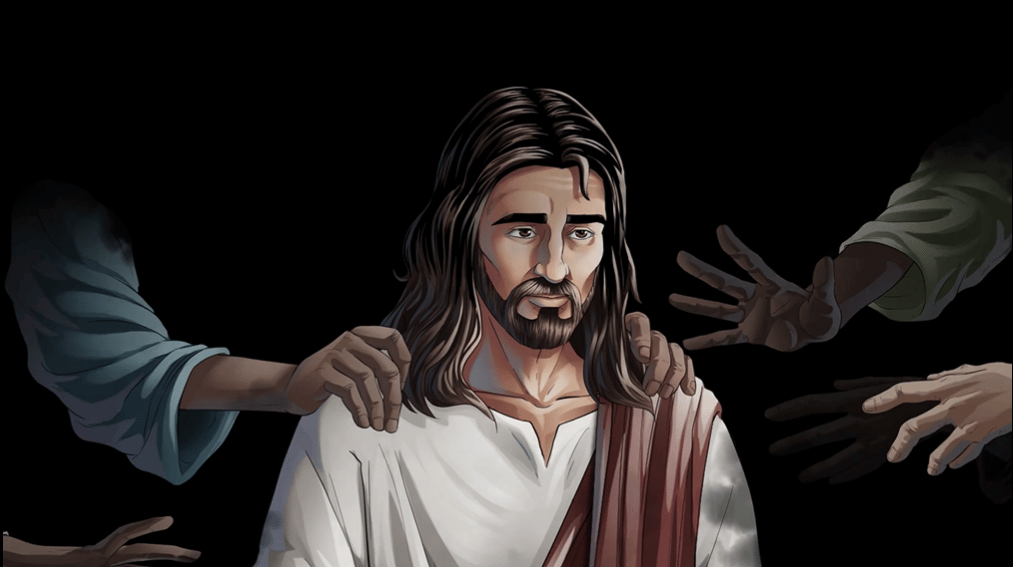
    This very kind of human experience was not far from what Jesus received from people around him. The Gospel tells us how Jesus was rejected by his own people. Jesus had to go to Jerusalem in secret in order to protect himself from those who were trying to kill him. What he received was a rejection with malice. Those who rejected him desired to cause harm to Jesus. 

    Yet, even though he knew that he was in danger if seen in public, Jesus still took the risk to be there among his people. Jesus took the risk to speak the truth and make the truth known to all even though it may cause him his life. Indeed, this is God’s way of making himself revealed to us.

    Jesus did not deter from rejection, but he responded with grace. Jesus responded not with hatred towards those who rejected him but with the truth. This tells us that Jesus knew his identity well. His identity was anchored in his intimacy and oneness with the Father in heaven.

    This rejection of the presence of Jesus was a reaction of some powerful figures at that time. They felt threatened to the way of life of Jesus and to the message that he preached and lived. This was how Jesus caused turmoil among the powerful leaders in that Jewish society. Jesus was unconventional who ate and drank with sinners, forgiven them and freed them. He healed the sick and touched the unclean. He preached about a loving and forgiving God the Father.

    And as Jesus gained popularity among the ordinary people, the leaders were threatened at his knowledge and wisdom. Jesus was not a well-known intellectual and did not come from a rich and powerful family. And they felt offended.

    Jesus himself and all that he did threatened the status quo of the powerful people who were contented with their comfort. These “Jews” who in the Gospel of John were referred as the powerful religious leaders of the Jewish society, preferred a strict and vengeful God. By this belief then they could advance their self-interest. They too can use their position to enrich themselves at the expense of the poor.

    Thus, they were against Jesus because he was changing their ways. Their hearts were filled with bitterness, hate, anger and the desire to have more. These were the reasons why they could not accept Jesus or even recognize the presence of God in Jesus.  Their blindness and the hardness of their hearts made them incapable to understand the ways of God. Thus, they wanted to kill him, to silence Jesus.

    As we continue our journey in this season of Lent, may this Gospel reminds us of our tendency to reject others and to only believe our own ideas and perspectives. Let us also make the last week of lent as days of opportunities to humble ourselves. We are called to recognize areas of our lives where we have become complacent, too comfortable and arrogant so that our hearts may become more welcoming. Hinaut pa.

  • Will you also reject God?

    Will you also reject God?

    Advertisements

    October 4, 2020 – 27th Sunday in Ordinary Time

    Click here for the readings (https://bible.usccb.org/bible/readings/100420.cfm)

    Homily

    Being rejected or to experience rejection is truly a terrible experience. When someone you love, a friend or family member rejects you for being who you are and for what you have done, is so painful. This experience creates emptiness in us and feelings of not being loved, not being wanted. This experience makes us worthless and useless, thus, traumatic. We experience this also in our workplaces when a co-worker and/or  your employer get angry at you and shows sour attitude towards you. Or when your work has been rejected or a proposal has not been approved because of their biases with you.

    In our community, there are many forms of rejection also that sometimes we are not aware of. We could just reject those whom we think are useless. We could easily not pay attention to those who do not belong in our circle of friends. We could just dismiss a person just because of appearance, education, family background or culture.

    These kinds of rejections are not alien to God. Our Gospel this Sunday tells us that God is also experiencing rejections from us. Yes, God has been rejected by us in many ways. Jesus describes this in the parable. The tenants of the vineyard rejected the emissaries of the landowner by killing them, and even his own son.

    This describes on how Israel repeadtedly rejected Yahweh by murdering the prophets sent for Israel’s conversion. However, the people’s response was of violence. The people rejected God’s messengers and killed them. It culminated in the life of Jesus, the Son of God. Indeed, Jesus, even though he is the Son of God had also been rejected. Only few recognized him as the Messiah. Many, especially the leaders of the Jewish people, failed to recognize and even refused to believe that he is indeed the Messiah. Hence, they killed him by nailing him on the cross, a shameful way of killing.

    God is still being rejected by us until today. We are doing it in many ways and even in creative ways. We reject God because we want our own ways. We reject him because we want to believe what we like to believe. We fall short on this when we think that we know better than God. That is why, we have the tendency to linger on GUILT, to always feel guilty of what we have done instead of feeling sorry of our sins and ask God’s forgiveness and accept God’s mercy.

    We reject God when we refuse to recognize his many appearances through the people we encounter. We reject God when we fail to recognize his presence in each of us. We reject God when we judge others. We reject God when we tend to believe that sinners such as alcoholics, drug addicts are less humans than us. Thus, we tend to believe that they are worthless and are good for nothing. We reject God when we continue to deprive others, when we continue to oppress and refuse to extend help to those who are in need. We reject God when we fail to see his face in each of us especially among us sinners, the poor and the oppressed.

    God hungers for you and me. He hungers for our attention and love. He hungers for our goodness and generosity that we are called to show to the needy; because in these ways we become a people of God who shows what is just, lovely, pure and gracious as what St. Paul told us in the second reading.

    God calls us today to recognize him, to feel his presence and to listen to what he is saying to us. I would like to invite you then to close your eyes… and remember those times when you failed to recognize God by rejecting the goodness of others, by judging the weaknesses of others, and by not accepting and embracing your own gifts, talents and also failures and weaknesses in life.

    Let us be sorry then, and ask God’s forgiveness so that we will be able to feel and recognize him in us and through others. In this way, we may able to receive the Body of Christ in our Eucharistic Celebration with joy in our hearts. Hinaut pa.

    Jom Baring, CSsR