
Tag: Fasting

  • Season of Praying, Fasting and Giving 

    Season of Praying, Fasting and Giving 

    March 5, 2025 – Ash Wednesday

    Click here for the readings (https://bible.usccb.org/bible/readings/030525.cfm)

    The Season of Lent begins today. Just few days ago, our Muslim brothers and sisters also began their month-long Ramadan of fasting, praying and giving. This is an invitation to be spiritually nourished, to be closer and more intimate with God and with the rest of the community.

    As Christians too, this 40-day Season of Lent also brings us into that season of praying, fasting and giving. In today’s liturgical readings we are called to make our whole heart available and free for God and for others. In the Book of Prophet Joel, the Lord says, “return to me with all your heartrend your hearts and not your garments…return to the Lord, your God.

    Hence, there are three best practices that by tradition as also revealed in the Holy Scriptures, would make our desire of returning and mending our closeness with God and others to be possible.

    First, Prayer. It is an invitation to be closer to God by becoming more aware of God’s presence in our life. Prayer is not limited with expressing and blurting out what we need and want. Prayer is first and foremost our way of relating, communicating and being intimate with God who is faithful and loving to us despite our sinfulness and imperfections.

    Prayer brings us closer into God’s presence so that in humility we recognize our own limitations and sinfulness. We realize that when our prayer focuses on God rather than on our personal wants and needs, the more we also see and know clearly who we are. Indeed, awareness of God brings us into self-awareness.

    In prayer, we do not have to use plenty of words. To sit in silence for few minutes and being aware of God’s tremendous presence in that very moment would suffice and bring us into a greater consciousness of ourselves and of the needs in our community.

    Second, Fasting and Abstinence. As we become aware of God, it helps us to be more aware of ourselves. Fasting and abstinence are invitations for us to recognize our thoughts, habits, behaviors and ways that prevent us from becoming closer to God and to others. Fasting and abstinence are not limited in consuming pork and beef or to other comfort foods. These are forms of self-denial so that we will be able to make ourselves free from those that are holding us back in doing good and expressing our concern.

    So, we can also reflect and discern deeper. We can ask questions like – what is it that I will make myself free for this season of lent, what vice shall I stop or regulate? What habit or attitude shall I minimize? What thoughts and cravings should I discipline?

    As we confront these questions in us, we also confront our selfish tendencies. In hope, this may make us take a step in going out of our comfort zones in order to encounter God and others.

    Third, Almsgiving. The Lenten practice of almsgiving is a way of making ourselves generous to those who are in need. We recognize that prayer makes us aware of God and ourselves. Fasting and abstinence form our heart to be free and available for others. And so, almsgiving is giving ourselves for the sake others.

    Almsgiving is not limited to giving few coins to a poor beggar or a spare of our material resources. To give alms is to generously give what is dear to us. We allow ourselves to be the gift to others.

    We can also ask ourselves and discern more, “what is it that I can generously and joyfully give to others? Is it my time and wealth, talents and knowledge? It is my presence and comfort? My helping hand and listening ear? My understanding and love for my friends and family members? My concern, sincerity and honesty in my work?

    Empowered by hope for renewal, may we enter this Holy Season of Lent with the grace of Holy Spirit. Hinaut pa.

  • FASTING TO BE LIFE-GIVING

    FASTING TO BE LIFE-GIVING

    February 19, 2021 – Friday after Ash Wednesday

    Click here for the readings (https://bible.usccb.org/bible/readings/021921.cfm)

    We always understand the religious practice of “fasting”  in reducing our food intake. This religious practice which already begun even in the ancient times still takes a central place in today’s Season of Lent. The Church, in fact, asks us to fast as one of our practices in this season.

    Our readings today actually talk about fasting. Isaiah in the first reading, criticized the people who devoutly did the religious practice of fasting. He criticized them because those people were only concerned of the traditional practice of fasting while refusing to respond to the call that fasting entails.

    According to Isaiah, when fasting remains a religious practice or tradition and does not change our heart, then, it is not true fasting. Fasting will lead us into a change of heart. This is shown in what he said,

    “releasing those bound unjustly,
      untying the thongs of the yoke;
    Setting free the oppressed,
        breaking every yoke;
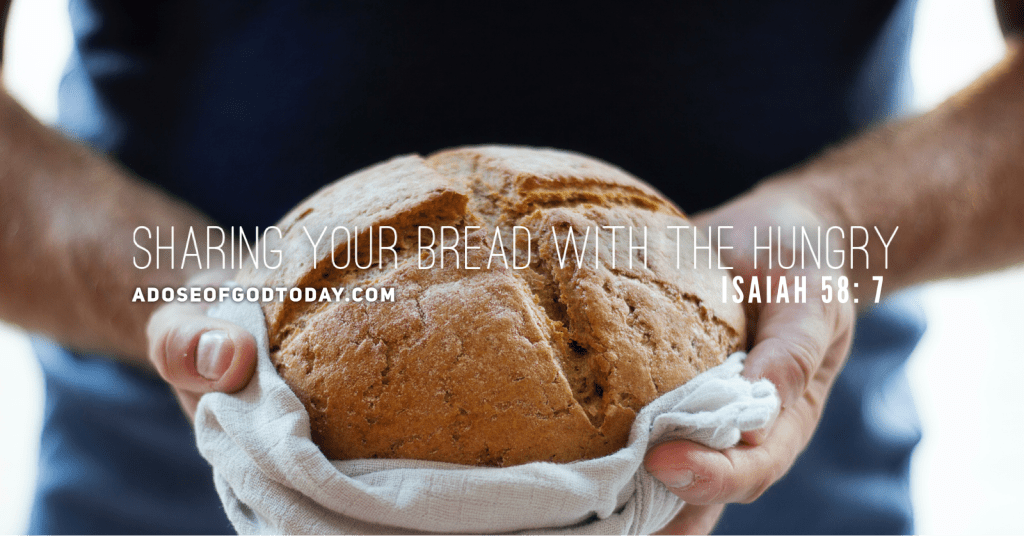
    Sharing your bread with the hungry,
        sheltering the oppressed and the homeless;
    Clothing the naked when you see them,
        and not turning your back on your own.”

    From what Isaiah told us, to fast in this Season of Lent is not about making ourselves slimmer or to aim in losing weight. These reasons are not what the Season of Lent is about. The call to fast and consciously choose not to eat our comfort food is a discipline that will bring us into at least four practical and significant reasons.

    First, fasting from our comfort food will allow us to learn the value of giving more importance to what we really need and not just on what we want. Our wants could sometimes lead us into unhealthy habits in our diet, thus, to fast will help us confront those unhealthy habits.

    Second, when we fast, we will surely feel hungry. To feel the emptiness of our stomach, will help us to value every food being prepared on our table. This should help us to be more grateful of people around us and of the grace from God.

    Third, such consciousness in the emptiness of our stomach will also help us to realize the hunger that many people are suffering every day. According to Action Against Hunger, there is more than enough food produced in the world to feed the entire population of our planet, but, despite this over supply, there are 690 million people in the world who sleep without anything in their stomach.[1]

    Fourth, by becoming aware of that, fasting then, leads us to respond to those who are in need. In the words of Isaiah, in fasting, we share our food with the hungry, we set those who are unjustly accused to be unburdened, we set those who oppressed to be free, we give shelter to the homeless, we cloth those who are naked. Meaning, fasting indeed entails practical responses that will allow us to become life-giving to others.

    Thus, as we have just began this Season of Lent, please be more conscious also of this religious practice of fasting by also becoming more aware on how we could be more  life-giving to others. But never forget to bring that consciousness into prayer. Fasting without prayer will not make us life-giving.

    So, a practical example would be keeping aside the budget of your food or meal every day and give what you have kept aside to a neighbor or a friend who is in need of material or financial aid. May way all become life-giving in this season of lent. Hinaut pa.


    [1] See https://www.actionagainsthunger.org/world-hunger-facts-statistics

  • A Genuine Fasting in this Season of Lent

    A Genuine Fasting in this Season of Lent

    February 19, 2021 – Friday after Ash Wednesday

    Fr. Gibo Dandoy, CSsR

    Click here for the readings (https://bible.usccb.org/bible/readings/021921.cfm)

    Today’s readings highlight one of the main  components of the season, which is Fasting. In our Catholic Tradition, we are taught that fasting is a spiritual exercise cum discipline as our way of repentance and penance for our sins which greatly hurt God and others. We practice this spiritual discipline to teach, train and tame not only our physical bodies but more so our interior self.

    St. Paul warns us, saying: “For our struggle is not against flesh and blood, but against the rulers, against the powers, against the world forces of this darkness, against spiritual forces of wickedness in the heavenly places (Eph. 6: 12, NASB).” Through fasting, we arm and ready ourselves when forces of evil attack us day and night.

    However the Lord, in the book of the Prophet Isaiah, had to correct and re-orient his people as to the kind of fast he so required: “Is fasting merely bowing down one’s head, and making use of sackcloth and ashes? Would you call that fasting, a day acceptable to Yahweh? (v. 5, CCB).”

    He questioned their kind of fasting and showed his displeasure with their shallow observance of religious rituals. They acted pious and yet their attitude and lifestyle betrayed their faith in God.

    But what kind of fasting that pleases God?

    “To free those who are wrongly imprisoned and to stop oppressing those who work for you. Treat them fairly and give them what they earn. I want you to share your food with the hungry and to welcome poor wanderers into your homes. Give clothes to those who need them, and do not hide from relatives who need your help (vv. 6-7, NLT).”

    These, brothers and sisters, are what pleased God, and is what genuine fasting all about! Lastly, let us however do all of these in secret, and the Father who sees us in secret will recompense us (Mt. 6:4). Amen.

  • AVAILABLE AND FREE

    AVAILABLE AND FREE

    February 17, 2021 – Ash Wednesday

    Click here for the readings (https://bible.usccb.org/bible/readings/021721.cfm)

    The Season of Lent invites us to be closer to God. As Christians, we are challenged by the Gospel today to make ourselves available and free for God and for others. There are three best practices that by tradition would make this desire of closeness with God and others to be possible.

    First, PRAYER. It is an invitation to be closer to God by becoming more aware of His presence in our life. Prayer is not limited with expressing and blurting out what we need and want. Prayer is our way of relating, communicating and being intimate with God who is so good to us, faithful and loving to us despite our sinfulness and imperfections. Prayer brings us closer into God’s presence. It allows us to encounter Him makes us humble before God to recognize our own limitations and sinfulness. Moreover, when our prayer focuses on God rather than our personal wants and needs, the more we also see and know clearly who we are. Hence, awareness of God brings us into self-awareness.

    In prayer, we do not have to use plenty of words. To sit in silence for few minutes and being aware of God’s tremendous presence in those very moments would also suffice and bring us into a greater consciousness of ourselves and of others.

    Second, FASTING AND ABSTINENCE. When we become aware of God, then, it helps us to be more aware of ourselves. Fasting and abstinence, then, is an invitation to recognize our thoughts, habits, behaviors and attitudes that continually prevent us from becoming closer to God and to others. To fast and to abstain is not just limited with abstaining from pork and beef or to our comfort foods. These are forms of self-denial to help our heart and mind be freed from what chained us. Thus, it would be good to ask, what is it that I will make myself free in this Season of Lent, what vice shall I stop or regulate? What habit or attitude shall minimize? – So that in doing this, I will make myself available for others, more generous and kind.

    Third, ALMSGIVING. The Lenten practice of almsgiving is a way of making ourselves generous to those who are in need. If prayer makes us aware of God and ourselves, and fasting and abstinence is to make ourselves free for others, almsgiving is to become LIFE-GIVING. Almsgiving is, therefore, not limited to giving few coins to a poor beggar or a spare of our resources, but to generously give what is dear and special from us. Hence, we allow ourselves to be a gift to others. What is it then that I can generously give to others from myself in this lent? Is it my time and wealth? It is my presence and comfort? My helping hand and listening ear? My understanding and love? My concern and honesty?

    Hopefully, in giving ourselves, we too shall be able to encounter real faces of our brothers and sisters even in this time of pandemic. Such encounter will certainly allow us to recognize God’s presence, making ourselves freer, closer and available for God and for others. Hinaut pa.