Tag: Christmas

  • YOU ARE GREAT!

    YOU ARE GREAT!

    December 22, 2024 – Fourth Sunday of Advent, 7th Day of Misa de Aguinaldo

    Click here for the readings (https://bible.usccb.org/bible/readings/122224.cfm)

    I want you to tap the shoulder of the person beside you and tell that person, “You are great!We are all great! But wait, what makes us really great? With all our weaknesses and sinfulness, how could we be great?

    By ourselves alone, we are never great, but because we have been chosen and loved, we are made great – each of us, no matter how we consider ourselves small and insignificant. Yet, what makes us great are not those things that we have achieved or accumulated in this life. We may boast ourselves because of the achievements in life and what we have reached, however, not one will make us truly great.

    Hence, let us revisit the readings on this final Sunday of Advent that wonderfully tell us how we have been made great by God and how we have been chosen and loved.

    Prophet Micah, in the first reading,  who is also called as the Prophet of Advent, proclaimed to us how God chose the insignificant town of Bethlehem to be the place of the birth of the Messiah. Bethlehem was small compared to other tribes of Judah. However, God chose the small and the humble, not the powerful and the arrogant. From Bethlehem, David was chosen to be king and where the Messiah shall also be born.

    This is how I shall offer you now a different perspective in looking and understanding today’s Gospel which is the same Gospel as yesterday. Indeed, God’s favor for the small and the humble reflects in that encounter of Mary and Elizabeth. Mary was chosen to be the mother of the Messiah, a woman from a small town of Nazareth. Likewise, Elizabeth who was old and shamed for being barren, was chosen to be the mother of John who will prepare the way of the Lord.

    Neither of them were royalty, nor a daughter or wife of a governor. There were many women who would be more fitting than them if God would follow our worldly standard of greatness. However, God does not choose somebody because of a high status, or of popularity or fame or of wealth or power. God chooses the small and the humble, who are most welcoming of His invitations and most willing to respond to His call. Indeed, God looks at the greatness of each one of us because we are humble and unassuming of power and fame. We are made great because we are chosen and loved.

    Certainly, Mary and Elizabeth welcomed God fully in their life because they did not have many possessions. Power, or wealth, or fame, or any other forms of insecurities did not possess them; they were free and open to God.

    This reminds us too that when we are possessed by our insecurities, whatever they may be, we are being prevented from receiving the Lord in our life. But once, we make ourselves free from our insecurities, fears and anxieties, from our hatred and resentments, then, we make ourselves open to God’s invitations.

    Thus, on the part of Mary, who was greeted by Elizabeth as blessed among women, has made herself completely free for God. Her acceptance of Jesus made her life filled with love and blessings. Thus, we have lighted the fourth candle of Advent that reminds us of love.

    And because Mary was filled with love, this moved her to respond immediately to her needy cousin Elizabeth. Mary knew well that Elizabeth needed help and so she responded with willingness.

    And again, as we have reflected yesterday, this reminds us that when we are truly filled with love, love makes us more aware of the needs of others. True love and concern overflows from us and thus, making us free to share our love to those who are in need, to people around us. In this way, our way of loving will become free of pretentions and insecurities.

    What is more interesting was on how the two women greeted each other. Their encounter tells us the wonder and beauty of those who truly believed in God. Elizabeth was surprised and delighted by God’s visit through Mary. Mary’s willingness and openness to God made her the bearer of God’s loving presence to her cousin Elizabeth. Indeed, Mary’s visit, though simple, was a great gift for Elizabeth.

    Indeed, on this fourth Sunday of Advent, we are called to remain free and open to God so that we too shall receive Him fully in our life. And through that, then, hopefully, each of us will also become bearer of God’s presence to others. Never underestimate the gift of presence that you can give to your children, to your family, colleagues and friends even strangers. Be the “PRESENT” to people around you by being truly “PRESENT” in their life.  This may be simple, but our presence will be a powerful force of love and concern.

    And so, never deprive others of your presence. God has never deprived us of his presence. The Lord is never “paasa” to us because God is always faithful. God took the risk of meeting us even though it will cost him pain, suffering and even death, because each of us is a delight to him. We are so dear to God, remember this. Take also the risk to build deeper, healthier and stronger relationships, selfless and loving relationships.

    In these ways, we shall be able to respond to God’s invitation in this Season of Advent, by becoming ourselves LOVE for others, as Jesus is LOVE for us. That makes us great! Hinaut pa.

  • TO BELIEVE

    TO BELIEVE

    December 20, 2024 – Fifth Day of Misa de Aguinaldo

    Click here for the readings (https://bible.usccb.org/bible/readings/122024.cfm)

    There is something I want you to do now. This is a short breathing exercise for this morning. Ready?

    Breathe deeply and inhale God’s Spirit. Hold.

    And exhale your fear and negative emotions.

    Inhale God’s assurance of love. Hold.

    Exhale your doubts and anxieties of tomorrow.

    And inhale the gift of the present moment. Hold.

    Now, exhale the pains of past.

    Doing this would hopefully help us to think clearly and recognize what we have in life at the moment. Possibly, some of us now have many concerns and worries in our own homes that we also bring at work and in our studies or to our relationships.

     Things can be complicated when we do not see the direction of each aspect of our life. Home, work, friendship, love-life and other extra-curricular activities when they come together, our hands will be full. And when there is one or two aspects in our life and become overwhelming for us, other aspects of life will also be affected. And from all the stress and burdens that we experience each day, there is indeed a need to take a break, that we will first breathe deeply and re-balance our life.

    And our faith has something important to remind us today. We are able to recognize this in the life of Mary, who in the midst of confusion and worries, when the angel appeared, she was able to manage and gather her mind – and she was able to do that because she has faith, because she believed.

    Yet, what does it really mean to believe? What is the meaning of faith in our everyday life? Or does it have a meaning at all in our daily life and daily affairs?

    The Gospel brings us now into that story and life of Mary, in which she believed even in the midst of a seemingly unbelievable circumstances in her life.

    Thus, the Angel Gabriel greeted her, “Hail, full of grace! The Lord is with you!” Reflecting upon it, we find that the greeting is so deep. It is a statement from God that Mary is certainly favored and that God is delighted with Mary. Mary is, indeed, filled with GOD!

    In her simplicity and being an ordinary woman, she accepted God’s invitation extra-ordinarily because ‘she believed’. In her simplicity, Mary felt the trouble of being honored as favored by God. I am sure that Mary with her human emotions felt confused and afraid when the angel appeared before her. The revelation of the angel was difficult to understand, thus, she pondered in her heart the meaning of those.

    These troubles, confusion and fear led her to ask in all honesty, “how can this be?” It was neither a question of defiance nor of doubts but of concern on how she would go about it. The answer she got was God’s promise, that God is with her. This is how Mary inhaled God’s spirit.

    This promise from God inspired Mary and motivated her to give her consent, her big YES to God. Mary was called by God to be the Mother of Jesus, and Mary responded with joy and confidence. Her response is out of gratitude to God for being good to her and out of love and kindness for that was her experience with God. And this is how she exhaled her fears and anxieties.

    This tells us now that when we also respond out of joy and serve others out of gratitude, then, we will be able to give life to others, like Mary, because we too will be able to breathe God’s spirit and expel our fears and worries.

    Indeed, Mary’s whole life is all about love, only love. There is no bitterness in the heart of Mary; no scars of fear or hate, only love. That is why, Mary would always choose to love which she always does. In her heart, there are no grudges, no malice. This love of Mary makes her affectionately close to us. Thus, we should neither fear nor hesitate to be close to her.

    The mission of Mary now was to be part of our story of salvation. Mary has a big role here, and that is, to be the Mother of the Redeemer of the World, who will bring peace and mercy. With Mary’s open heart, pure conscience, deep faith and love in God, she accepted the call from God and prompted her to declare, “Behold, I am God’s servant. Let it be done to me according to your word! She owned this statement and kept it in her heart despite her confusions and anxieties. And this is how Mary inhaled the gift of the present moment – because in doing that she has placed herself in God because she believed in the saving presence of God.

    Everything became possible with God because Mary believed. Remember, God cannot and will not work wonders with us unless we give our consent and believe.

    This is the invitation today for us, TO BELIEVE, because God reveals His presence in the events of our ordinary life.

    TO BELIEVE, then, is to be constantly aware of God’s many revelations in every single moment of our life. And so, inhale God’s spirit.

    TO BELIEVE is to trust in the Lord’s Words and promise despite our troubles and questions, worries and anxieties. And so, exhale your fears and anxieties.

    TO BELIEVE in the Lord also means to be aware of the needs of others –that we may become more responsive to the needs of others like Mary who responded for the salvation of all. And so, let us inhale love not hatred.

    TO BELIEVE is to listen to God’s invitation so that through our life, the Lord will be able to do wonderful things when we allow God also to change us. And so, exhale our arrogance.

    TO BELIEVE also means being pregnant with God’s presence. Yes, God invites us today that our life, our words and actions, and our relationships with one another will become pregnant with His loving and compassionate presence. And so, inhale God’s presence. Hinaut pa.

  • A Delightful Surprise

    A Delightful Surprise

    December 12, 2024 – Feast of Our Lady of Guadalupe

    Click here for the readings (https://bible.usccb.org/bible/readings/121224.cfm)

    A surprise that is made especially to someone we love, has the very intention to bring joy. This makes our heart filled with affection and love. And this kind of surprise is what the Season of Advent is also characterized.

    Indeed, God comes to visit us is a big surprise. Imagine, God who is almighty and all-powerful comes and humbles Himself in order to reveal God’s Divine presence to humanity, in human form.

    This is what our Gospel tells to us today. Elizabeth was surprised by the visit of her cousin Mary. More than that, Elizabeth and the baby in her womb were more surprised of what Mary carried in her womb. They were surprised because God visited them. This prompted baby John to leap with joy because God has come through Mary.

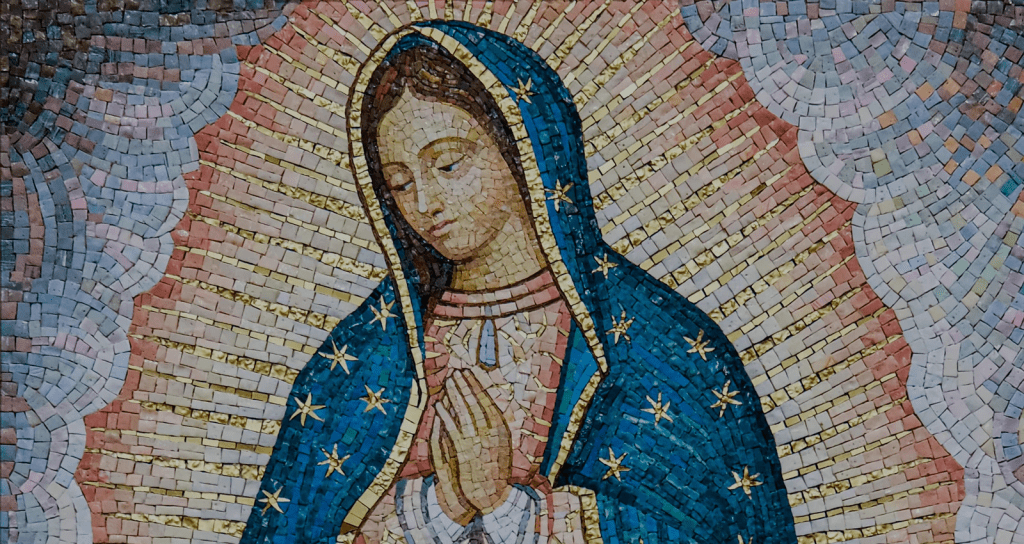
    The feast of Our Lady of Guadalupe is also a manifestation on how God has visited us in our history. This visit of God through Mary to San Juan Diego is an expression of God’s loving concern for his oppressed people particularly in Latin America. God’s visit then, is a revelation that God is on the side of the poor and the oppressed, of the weak and powerless, the vulnerable and the insignificant.

    Both on this Season of Advent and feast of Our Lady of Guadalupe, we are invited to allow God to surprise us. God calls us to be open and welcoming of His presence and of his surprise like Elizabeth and San Juan Diego.

    Thus, never lose the sense of being surprised. This means that we are challenged to put down our judgments and biases, indifferences and suspicions, our anxieties and fears.  

    God surprises us all the more when we begin to embrace our own failures and sins, and when we begin to accept that we are vulnerable and weak. And when God comes to surprise us, may it lead us to leap with joy. In hope, that experience will also move us to also surprise others with our own kindness and generosity.

    Certainly, God calls us to be sensitive enough to his presence in us particularly when life gets dark and difficult, when we are in the middle of fear and stress because in those vulnerable moments, God is closer to us. And this is hope for a delightful surprise. This is what the Season of Advent is all about. Hinaut pa.

  • THE LORD COMFORTS US

    THE LORD COMFORTS US

    December 10, 2024  – Tuesday of the Second Week of Advent

    Click here for the readings (https://bible.usccb.org/bible/readings/121024.cfm)

    How do we live our life as Christians today? How Christian are we, really? These are questions that invite us to re-examine the attitudes of our hearts in the way we live our baptism and prepare ourselves for the coming Christmas. Let us explore, then, the challenges and invitations that our readings bring to us today.

    In the first reading, Prophet Isaiah told us about the promised Messiah. His prophecy was situated when the Hebrew people were exiled in Babylon, hoping for God’s mercy. They believed that their exile was a punishment to their unfaithfulness to God. However, they longed for a wrong Messiah.

    Their misconception about the Messiah was influenced by what their eyes can only see. They only saw the powerful kings from other nations. Those kings were powerful because they had thousands of armies enough to kill and defeat all enemies. Thus, the people had thought that their Messiah should be like them who power and might come from military power to wage war and violence. Indeed, one should fear this God because this is an angry God.

    However, this very image of God of the people is somehow opposite to what Isaiah told us. “Comfort, give comfort to my people…” These were the first words in the first reading. This tells us that God comes to comfort us because the Lord God hears our cries and that the Lord God is not a stranger to our difficulties and suffering.

    This comfort did not mean, “revenge” or a “bloody war” towards our enemies and people we hate. This comfort from God means that God comes to us, that God is with us and God comes with power of love and compassion like a shepherd who feeds his flock and seeks out the lost sheep and rejoices when the lost is found.

    This is what Jesus pictured out for his disciples to understand the love and compassion of God. Certainly, the Lord is like a shepherd searching for his sheep. This shepherd gives importance to every sheep under his care.

    This tells us, that our baptism is also patterned in the identity of the Messiah. We are called to give comfort to each other especially in times of pain and sorrow. We too are called to take care of each other, showing concern especially to those who are in difficult situations and those who are feeling lost.

    Isaiah tells us as well to prepare the way of the Lord because it is in welcoming God into our lives and hearts that we are transformed by God’s loving embrace and presence. This may lead us to comfort each one, to care for each other, and to practice concretely our Christian faith through our concern and generosity. Hinaut pa.

  • IN SEARCH OF THE TRUE MEANING OF THE FEAST OF THE EPIPHANY

    IN SEARCH OF THE TRUE MEANING OF THE FEAST OF THE EPIPHANY

    The Epiphany of the Lord

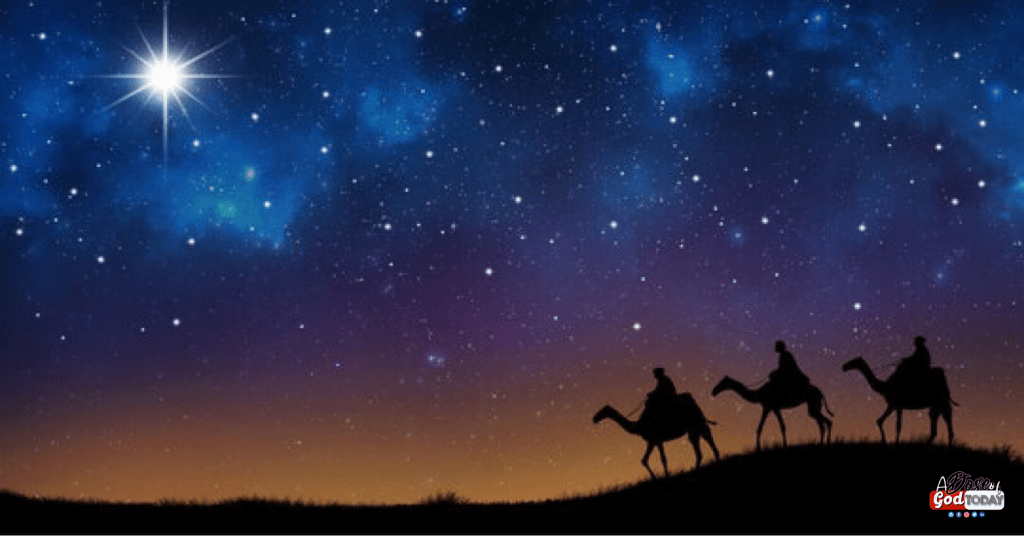
    Many decades ago as we were growing up, January 6 was celebrated by the Christian world as the Feast of the Three Kings. The event being celebrated was the arrival of Melchor, Gaspar and Balthazar in Bethlehem to offer gifts of gold, frankincense and myrrh to the newly-born child whom they came to worship.

    Today, liturgically this is known as the Feast of the Epiphany (referred to as Theophany for Eastern Christians). Epiphany means the manifestation of a divine or supernatural being and for us Christians this feast celebrates the revelation of God incarnate in Jesus. Instead of referring to the three visitors as Kings, they are now more popularly known as Magi or Wise Men.  Across the world the celebration can range from January 6 to whatever is the Sunday nearest this date.  Thus in our country, it would be celebrated on January 8.

    Except for Matthew (Mt 2: 1-23), the narrative involving the three Magi does not appear in the accounts of the three other Evangelists. It is a very brief account where the tyrant ruler Herod is also mentioned.  There are very few details that help us know the wise men better except that they were from the East and that their journey to Bethlehem was guided by a star. Otherwise, the narrative ends up as a mythical story shrouded in mystery thus leading to all kinds of conjectures.

    Consequently, many have deconstructed the text and provided a deeper meaning to this narrative. Just this year on the Feast of Epiphany (celebrated at the Vatican with Cardinal Luis Tagle presiding and Pope Francis giving the homily), the Pope provided us his own reflection of the meaning of the Epiphany. Thus, his words:

    “The Magi’s restless questioning and continuous journeying in dialogue with the Lord finds its end in the worship of God… Like the Magi, let us fall down and entrust ourselves to  God in the wonder of worship. Let us worship God, not ourselves; let us worship God and not the false idols that seduce by the allure of prestige and power…  let us love God and not bow down before passing things and evil thoughts, seductive yet hollow and empty.

    The purpose of everything is not to achieve a personal goal or to receive glory for ourselves, but to encounter  God. To let ourselves be enveloped by his love, which is the basis of our hope, which sets us free from evil, opens our hearts to love others, and makes us people capable of building a more just and fraternal world.”

    We can further reflect on how this narrative relates to our contemporary life in our own society and focus our reflection on who were these wise men? The biblical reference indicates they were from the East, which should make it interesting for us Filipinos as we are in this part of the world – the East or the Orient. Some writers theorized that they came from the nearby countries of Israel, namely Persia (now Iran) even as far as India.

    But why were they referred to as wise men? Relying on ethnographic data providing us data  on the Oriental civilizations existing long before the West entered into its Industrial Revolution, there were advanced societies already existing in the Orient from China to India to the Arab countries. They had developed the various fields of philosophy and science, much earlier than the Western world.

    Thus, we can conjecture that Melchor, Gaspar and Balthazar – as they were guided by the star – had knowledge of astronomy if science had developed to that extent during that era. There is, however, one better explanation that anthropologists would posit. Could they be shamans who had developed the gift of communing with the supernatural?

    If they were coming from the East, what faith traditions have evolved in their societies? While there were established religions already during the reign of Herod in other parts of the world and in Israel (Hinduism, Judaism, etc.), Islam and Christianity were still to evolve. But were the magi also shamans who served as ritual officiants of their communities which were ensconced within an indigenous belief system?  We know for a fact that across the world and through the centuries, shamans have developed a keen sense of understanding the mystical realm.  Could this have been the case of the three wise men?

    Perhaps it is futile to have the answer to this question even if there theologians who would like to pursue this question in dialogue with anthropologists. However, we can expand the search of meaning and link it with our attempts to better pursue some of the pastoral challenges in our post-Vatican II Church especially in the discourses of inter-faith dialogue and inculturation.

    A fundamentalist reading of the Matthew text would insinuate that as the magi worshipped the child as God, they had abandoned whatever faith tradition they belong and embraced a new faith. On the other hand, a progressive reading of the text allows for an encounter of faith traditions in dialogue with each other. Thus the Matthew narrative would be very useful for advocates of inter-faith dialogue, as one of the first events in Jesus’ early life pointed to the possibility of faith traditions entering into a dialogue with each other.

    In this day and age, when there are still countries where different groups of believers – Christians, Jews, Hindus, Muslims, Buddhists and others –  are engaged in conflicts leading to the eruption of violence, the encounter of Jesus and the Magi provide the hope that a day will come when all faith traditions would learn to embrace the gift of an encounter that brings peace!

    When that moment arises, all of earth’s people of goodwill can truly celebrate all together a feast of the Epiphany no matter what faith tradition they worship God (in whatever God’s name is invoked!).