Category: Reflection

  • We are digital natives. We are missionaries.

    We are digital natives. We are missionaries.

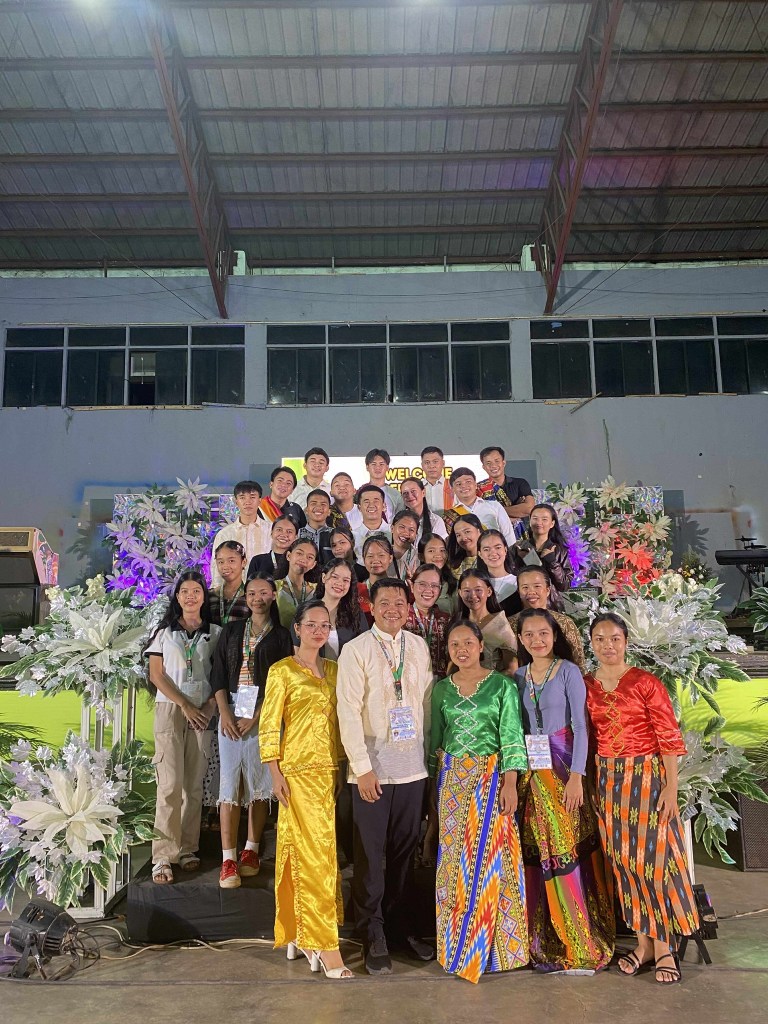
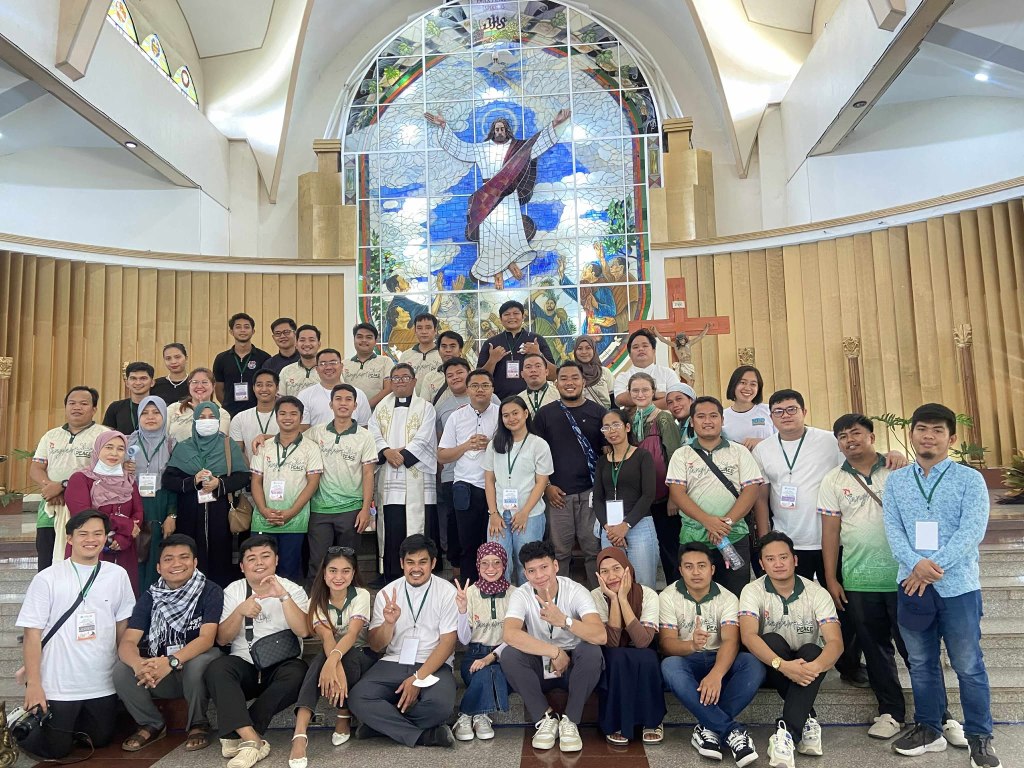
    The 9th DOPIM Youth Congress, guided by the theme ‘Rejoice in Hope, Digital Natives!’, empowers young people to embrace their identity as modern missionaries, using digital platforms not just for connection but as spaces of evangelization, joy, and hope rooted in Christ.”

    It has been a profound experience—a pilgrimage of faith, community, and mission that calls each of us, especially as digital natives, to live our identity as joyful missionaries in a rapidly changing world.

    The theme “Rejoice in Hope, Digital Natives!” is both a challenge and an invitation. In a time when the digital world can often be a source of anxiety, isolation, or distraction, this theme reminds us that hope is not outdated—it is alive, dynamic, and very much needed in our generation. “Hope is not optimism, it is something beyond indifferent” – Rev. Ryan Jill H. Joaquin. We are not only consumers of digital content, but proclaimers of Good News in this digital age.

    Throughout the congress, I have been inspired by stories of mission and sacrifice, and by the reminder that our faith is not something passive. Faith is a living fire meant to be shared. As a digital native, I realize that the internet is not just a tool for connection. It is a mission field. In every click, every post, every message, we have the opportunity to reflect Christ’s light, to encourage others, and to witness to our faith.

    In addition, Rev. Ryan Jill H. Joaquin and Rev. Fr. Jomil C. Baring, CSsR, highlighted how technology affects our lives. In fact, Social Media and Artificial Intelligence (AI) both having advantages and disadvantages as to how we use and apply in our everyday living.

    The event helped me realize too that being a missionary today is not about going to faraway lands. It’s about being present where people are, and increasingly, that place is online. Through a hopeful heart, a joyful witness, and wise engagement with digital tools, we can transform timelines, chats, and even algorithms into pathways of grace.

    In this rapidly changing world, our mission is clear: to rejoice in hope, even in the digital space. We are not just users of technology, we are bearers of light in the digital age. Let us post with purpose, share with sincerity, and allow our faith to animate every part of our online presence.

    We are digital natives. We are missionaries. And we rejoice in hope, for Christ is alive—even in the cloud.

    This journey has strengthened my sense of purpose. I am reminded that I am not too young or too small to make an impact. With my skills, my creativity, and my faith, I am called to be a missionary of hope—online and offline.

    In the end, the 9th DOPIM  Youth Congress is not just something we attend—it’s something we carry forward. We are the Church in mission. We are the Church online. And we rejoice in hope, because Christ is with us, even in the digital age.

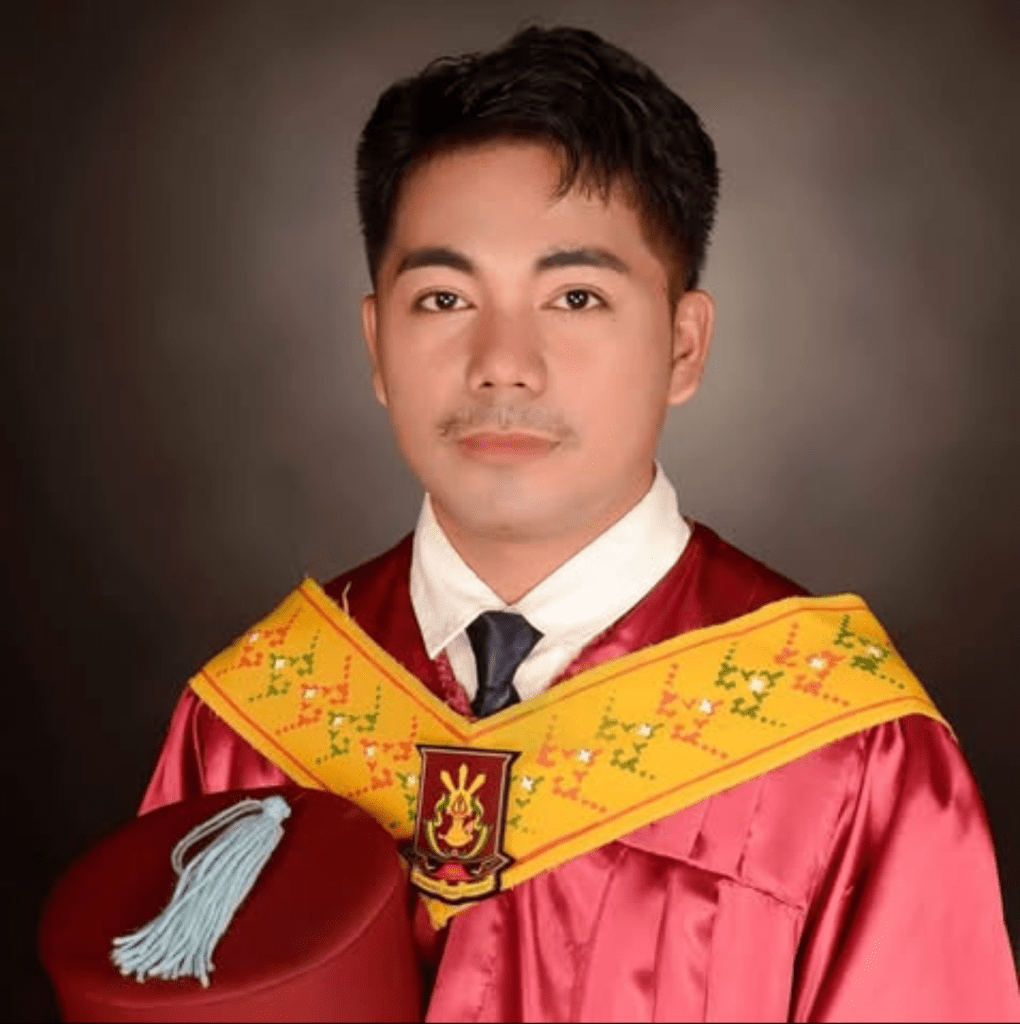
    A reflection by Richly Allin King B. Vildosola. “King” is an active Youth Leader of the Prelature Youth Ministry. Currently, he is a first year college student majoring Bachelor of Science in Accountancy in Pagadian City.
  • DOPIMories

    DOPIMories

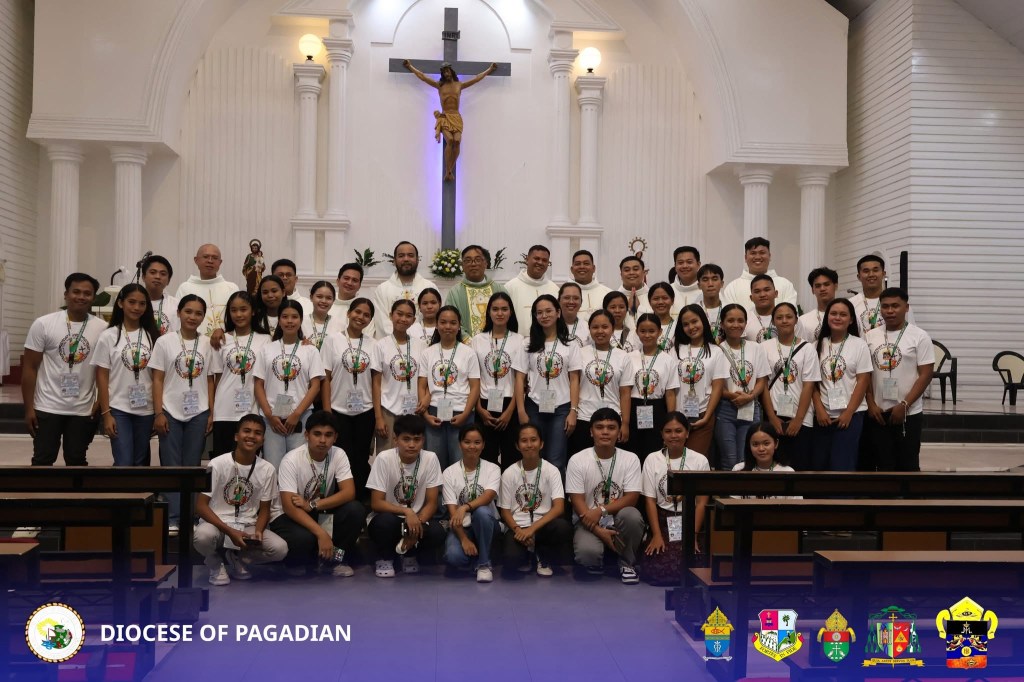
    Sometimes, the greatest lessons come not from classrooms, but from the encounters with people. When I joined the DOPIM Youth Congress in Molave, Zamboanga, I expected a simple gathering like talks, activities, and meeting new people. But what I did not expect was how the experience would eventually reshape the way I see life, faith, and relationships. In just a few days, I have realized a lot of things. One of those, is how God speaks through experiences, through strangers, and through the moments we often take for granted.

    At first, I was nervous about going to our foster homes. I kept asking myself, “What if strict ang tagbalay? What if makasab-an mi didto?” Yet, when I met Nanay Magno, all my fears disappeared. She welcomed me and Ate Tina warmly, fed us dinner, and even told us that she considered us like her own granddaughters in our very first meeting. That simple act of kindness moved me deeply. She made me understand that hospitality is not only about offering food or a place to stay, it is about making someone feel valued and loved. I also realized that to welcome others is to mirror Christ’s love. Just as how Nanay Magno made us feel at home in her own home.

    Another special part of the congress was meeting other youth from different dioceses. I really enjoyed this because we got to know each other and joined in different activities like the recreational activities and open fora. It made me appreciate the importance of making friends, share experiences, and support one another in our faith. It also reminded me that we are not alone in our journey, since many others are walking the same path with us.

    The next lesson I learned, was about the responsibility of the youth. During the talks of Rev. Ryan Jill H. Joaquin and Rev. Fr. Jomil C. Baring CSsR, I learned how powerful technology can influence our lives. Social media and Artificial Intelligence can either build us or break us. They can form our values or deform them. As young people, we are the natives of this digital world. It is very easy to fall into the traps of algorithms, trends, and even toxic comparisons. But as youth, we must be responsible users, to use social media as a tool for good, to speak truth instead of spreading hate, and to evangelize others.

    One line that struck me the most, was from the homily of Bishop Edwin, “As youth, be the best of what you can be, and be the best of what the world expects you to be.” For me, this is more than just a statement, it is a mission. I realized that we, the youth, are not just the future. We are also the present. Our words, choices, and actions online and offline can influence people around us.

    The last lesson was to cherish our elders. Staying with Nanay Magno reminded me of my own lola back home. I noticed how Nanay faithfully prayed the rosary, even though her family at home did not join her. Both me and Ate Tina felt her loneliness. It made me wonder how many times Nanay hoped that her family would also join her, because even I cannot deny that there is a different kind of happiness when we pray to God with our love ones.

    Perhaps, somewhere around the world, many of our elders suffer quietly, even when surrounded by loved ones. They give. They serve. They pray. But sometimes it felt like they are left unnoticed. It made me see how important it is to take better care of them, to listen to their stories, to value them, and to love them while we still can. Because tomorrow is never promised and we do not know what happens next.

    Looking back, DOPIM gathering was more than just a congress. It was a chance to meet God through people, talks, sharing and experiences. At first, I felt scared and unsure, but I went back with peace and direction. I learned that hospitality means opening my heart, responsibility means being a good example in today’s digital world, and valuing elders means showing love before it’s too late.

    Joining the 9th DOPIM Youth Congress was such an eye opener for me and specially for us youth. They brought us closer to God, to ourselves, and to others. They reminded us that as youth, we are not there just to participate, but to understand how to live with purpose, responsibility, and love.

    A reflection of the 9th DOPIM Youth Congress by Maria Jorean D. Traya from Agusan del Sur. Jorean is a first year Biology student at Mindanao State University – Main Campus, Marawi City. She is a member of the Catholic Students’ Organization of the Blessed Virgin Mary Chaplainy, MSU Main, Marawi City.

  • TO AFFIRM, TO REJECT, TO BE ALONE

    TO AFFIRM, TO REJECT, TO BE ALONE

    I learned three things in my recent Youth Encounter Facilitators’ Training – To Affirm, To Reject, To be Alone is Good.

    Indeed, these three lessons are part of our life situations. Some of us may have avoided one or all the three. Some are afraid to face it. Some may not be able to recognize that they are doing something good. During our sessions, a question popped up in my head, “ Is it okay to not experience this or feel such emotions?

    I used to struggle with receiving affirmations from others. When someone would complement me, I would easily downplay it or say ‘it’s nothing special.’ I would respond with ‘dili uy’ or ‘taka raman ka’  (It is not true) instead of simply acknowledging it and saying “thank you.”

    I felt uncomfortable receiving praise. I worried that people were just joking or being insincere. This made it hard for me to give affirmations too. I feel pressured to maintain a certain image and expectations. Even in expressing my faith like in simple praying, felt challenging. I struggle to acknowledge God’s blessings and goodness in my life.

    Yet, I was so touched with Simon’s story who became Peter after Jesus’ affirmation. That story inspired me. It challenged me to practice receiving and giving affirmations, genuinely. I want now to acknowledge others’ efforts and kindness, and express gratitude for God’s blessings. Though, it is still a work in progress, but I’m learning to embrace affirmations as a way to build connections and celebrate goodness.

    When we too are rejected or doing the rejection towards others, it can leave us feeling disappointed, hurt, and uncertain. However,  the story of the 2 blind men shows me a different perspective. They were rejected by the crowd, who saw them as helpless and dirty. The crowd judged them and got angry, but Jesus listened to their cries for help. Jesus stopped, called them over, and asked what they needed. At that moment, the blind men felt seen, heard, and valued. Jesus recognized their worth and importance, and they felt accepted.

    This story teaches me that even in rejection, we can find acceptance and love. Jesus’ actions show me now that everyone deserves to be heard, seen, and valued. I learned that I must offer kindness, compassion, acceptance. It is a call for me to listen to others and to recognize the worth and value in every person I encounter.

    I used also to fear being alone, left out, or not chosen. Many young people, including myself, dread silence, thinking that it means being alone. Yet, I’ve learned that being alone can also be good. To be alone, we can also sense God’s presence, recognize His work, and find peace. When we are feeling down, it’s okay to be alone because God is always with us.

    In silence, we can Hear God’s gentle voice, reflect on our thoughts and emotions, find calmness and peace and grow closer to God. I realized that being alone doesn’t mean being abandoned, it can also mean being with God. Embracing silence helps us trust in His presence and love.

    Is it okay to not experience this or feel such emotions? It can be yes or no. Yet, for me, this is necessary to be in touched with myself and be closer with God. It teaches me to  also rely on God’s strength in my weakness or darkest time

    A reflection by Joseph S. Funo-an, who was sent in Cebu City last August 17-22, 2025 for the Youth Encounter – Virac Model and YE-Facilitators Seminar Workshop (YE-FSW). He recently graduated at Mindanao State University, Main Campus, Marawi City, in Bachelor in Elementary Education.

  • From HATE to LOVE: A Journey of Humility

    From HATE to LOVE: A Journey of Humility

    A reflection by Roger E. Miranday

    The First Reading from Sirach 3:17-18, 20, 28-29 reminds me of the beauty and importance of living with humility. It teaches that the greater I become, the more  I must humble myself before God, for humility is the foundation of true wisdom and strength. This passage calls me to recognize that pride and self-centeredness only lead to downfall, while a humble heart finds favor with the Lord. My own experiences have shown me how fragile life can be, and how much I need humility to see beyond myself and return everything to God.

    Roger E. Miranday


    The Struggles of Humility (H.A.T.E.)

    Humility is difficult for me because of the challenges I face in my attitudes and emotions. These can be summarized in the word H.A.T.E.


    H – Humiliating others: Sometimes, I hurt people by putting them down to make myself feel better. Even when corrected, I find it difficult to admit that I am wrong.


    A – Anger: When I am humiliated, I react immediately with anger. I hold grudges and find it hard to forgive, which only distances me from others.


    T – Tactlessness: I often rely on my own thinking, believing that I am always right. This makes me insensitive to the feelings and suggestions of others.


    E – Envy: I sometimes desire what others have, and  to the point that i forget to value the blessings of God has already given me.


    These weaknesses make humility a constant struggle because they pull me towards pride and selfishness


    One painful day, I saw my eldest brother fighting against his illness. I witnessed how much he struggled because he wanted to live for his children, who were still very young. I cried because I knew his desire to live was strong, but sadly, he passed away. That experience humbled me deeply. It made me realize that everything returns to God. It reminded me to live with humility and not to take life for granted.


    The Power of Humility (L.O.V.E.)

    As a young person, I believe humility builds strong relationships. It can be expressed in the word L.O.V.E.


    L – Love: Because doing everything with love, even in small ways, helps me live with humility and connect meaningfully with others.


    O – Openness: Because for me, openness means not only sharing myself with others but also embracing my own flaws and imperfections. And i believe it allows me to build stronger bonds with others.


     V – Valuing: Because learning to value even the smallest things helps me live with gratitude and nurture deeper relationships.


    E – Equality: Because seeing everyone as equal, regardless of status or background, allows me to treat others with fairness and respect.


    Through L.O.V.E., humility becomes a bridge that strengthens my connection with others and with God.


    Through my experiences, I have learned that humility is not always easy to practice, but it is one of the most valuable virtues I can embrace. The loss of my brother made me realize how fragile life truly is, and that both material possessions and even our dearest relationships ultimately belong to God.

    At the same time, I recognize the struggles within myself summarized in H.A.T.E. that make humility difficult to live out. Yet, by choosing L.O.V.E. every day, I now see that humility is the key to becoming a better person. In the end, humility teaches me to appreciate life, to respect others, and to live with a heart grounded in gratitude and love.

  • Dialogue for Peace

    Dialogue for Peace

    A Reflection by Joahna Via Grace Saurez.

    Whenever I went home to my hometown my neighbors would question me where do I study. Their face would be full of shock and horror right after I respond to them. It is because a shy and fragile lady like me would want to stay in a place where danger is imminent. Then, later I would answer, “Public man gud. Tapos, naa pud didto akong program na gusto. (It is a public university, and my wanted program is offered there also)”.

    I am currently studying in Mindanao State University – Marawi Campus. This is located in the only Islamic City in the Philippines where “violence is well-known,” as people outside would say.

    Joahna Via Grace Suarez is an active Youth Leader of the Catholic Student Organization at the Blessed Virgin Mary Chaplaincy, MSU-Marawi.

    Just like them, I also am curious as to why of all universities, I was brought here. Yet, I realized that it was God all along who has called me to be here. God brought me to a Christian community that envisions a reconciling presence among my Muslim brothers and sisters. Without me realizing it, God already sent me a sign a long time ago.

    It was when I was invited to be one of the speakers in a Life and Spirit Seminar in Awao, Monkayo. Before the said event, while I was praying and asking for guidance for my upcoming talk, God answered me by filling me with His love. Considering that that is my first ever experience, I don’t know how can I handle it. It seems new. Later, He sent me an explanation – He wants me to spread His love. I thought that that message is only for that particular moment. Now, I realized, it is for a lifetime.

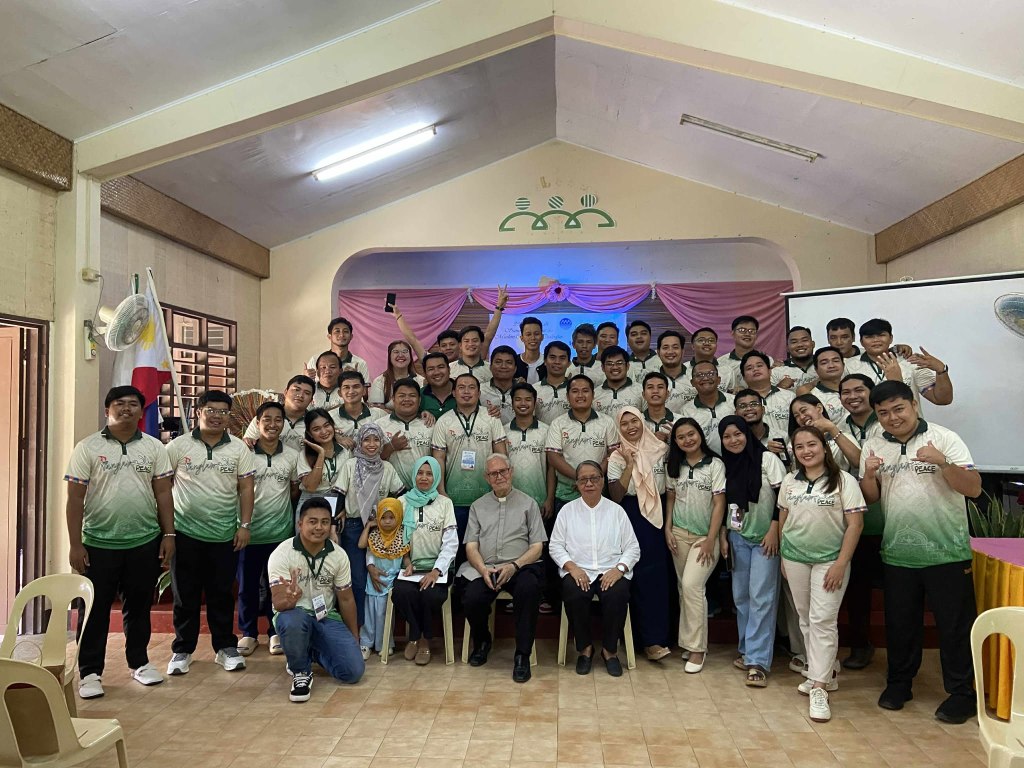
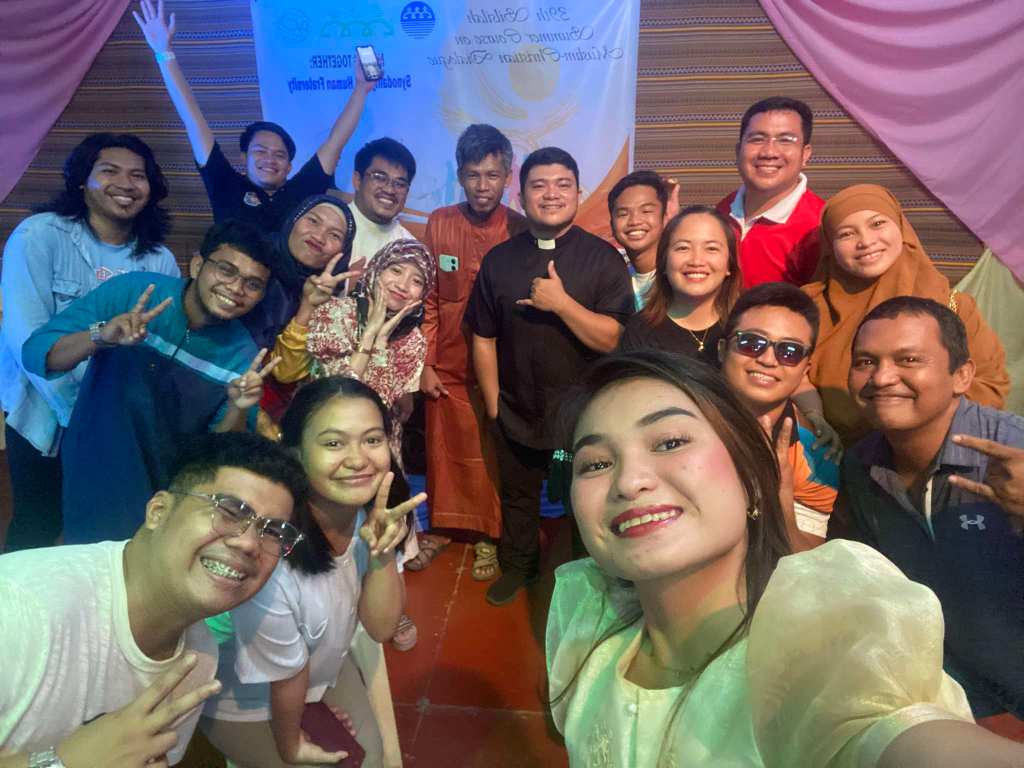
    Fast forward, last May, our chaplain invited me to this Summer Course on Muslim-Christian Dialogue in Zamboanga City. As a lady who does not want to spend her summer doing the same routine, and does not want to waste the opportunity of acquiring new knowledge, with God’s grace, I was able to join him.

    Honestly speaking, I was not really hopeful of the vision and mission of the course, considering that everyday I am seeing why Muslims and Christians specifically will not have reconciliation. Knowing the recent bombing in Dimaporo Gymnasium in MSU-Marawi last December 3, 2023 where there were a lot of casualties while we were having our Sunday Mass. Other than that, there is always this adjustment in our part as Christians because we are a minority. Furthermore, I often see us doing the effort for interfaith dialogue, while the other party seems indifferent. Witnessing those, made me conclude that it is really impossible. Peace is impossible.

    So, I carry this desire for dialogue to be truly present, not only as a goal in the paper. Thankfully, the Silsilah Dialogue Movement made me see it.

    They made me understand what dialogue truly meant. Dialogue is a two-way process and does not mean compromising, rather, an enrichment of one’s faith. Dialogue does not mean conversion, but growth. And this movement does not meant uniformity, but unity amidst diversity.

    The Summer Course made me understand the religion Islam, because as what Rev. Benson said, “You cannot embrace the other if you are ignorant”. By filling our misconceptions and judgments, I am able to understand them. At the same time, our Muslim brothers and sisters were able to understand our faith through the sessions. It is very wonderful to experience and see the presence of Jesus in them.

    Through the smiles, jokes, and charity, I am able to erase my bad experiences with some of them. It led me to a realization that I should not generalize people based from my experience. Even though, I have more bad experiences with the other party, does not mean all of them are the same. There are still people who’ll welcome you with their smiles, empathize with you when you’re feeling down, joke around to cheer you up, and give you their spare of dessert because they know you wanted it so much.

    I thought that I will be forever surrounded with people that will only pollute the mind of this shy and fragile lady, but thanks be to God because He made me see that there are those who are willing to purify it. Right there and then I realized, I am only looking at a place where the unwanted attitudes are dominant. I forgot to look at the other side, where goodness prevails.

    My encounter with them made me remember the good times with my Muslim classmates. It made me remember that my classmates are also an exception. It made me realize that other’s fault is not their fault because according to them, Islam is a religion of peace, and doing otherwise is not in accordance with their teachings. The tragedy is not due to religion but because of the manipulations of the persons in power to find reasons to their inhumane act which is one that continuously embedding a scar to the humanity. 

    Yes, peace is impossible. But with a willing heart and trust, we can do it. In fact, it is already happening.

    Thanks to Fr. Sebastiano D’Ambra, PIME who opened the curtains and windows, to let me see hope. Through his experiences and words of encouragement, I was moved with deep courage to do the mission towards human fraternity.

    And if you’ll ask me that from hearsays I am hearing, and from all the bad things I see, why do I still continue? I mean from all the things we undergo, why we in the Prelature of St. Mary in Marawi still continue? Because God loves us so much, and He wants us still to share the love.