
Author: A Dose of God Today

  • Growing in Friendship with God everyday

    Growing in Friendship with God everyday

    Advertisements

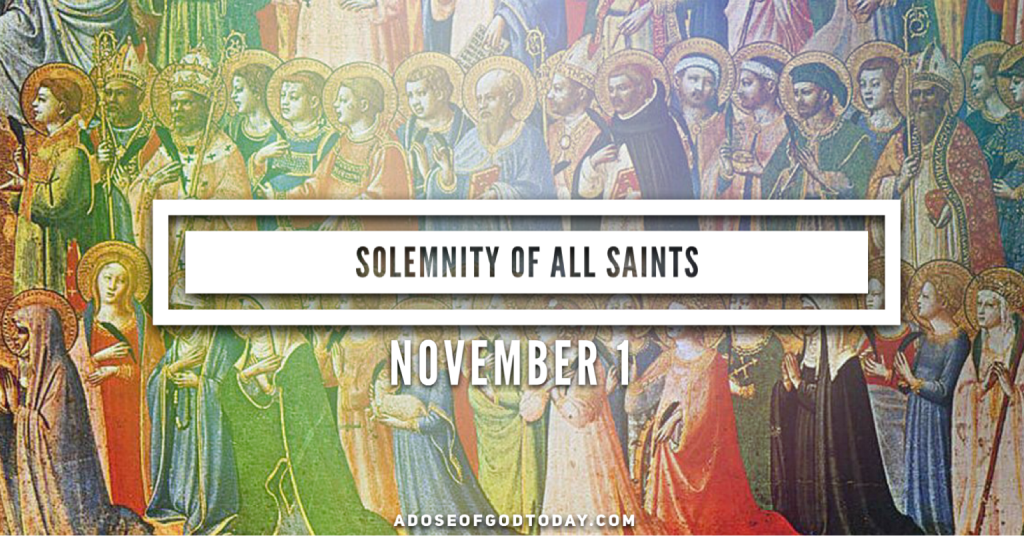
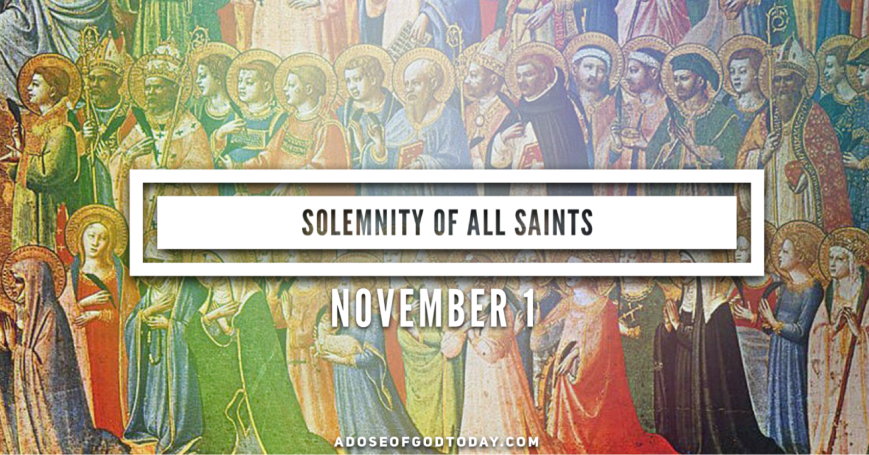
    November 1, 2020 – Solemnity of All Saints

    Click here for the readings (https://bible.usccb.org/bible/readings/110120.cfm)

    Homily

    There is something I want to ask you now. I want you to close your eyes for few moments and in silence, remember the face of your best-friend, that great friend or friends of yours whom you are most comfortable with, that great friend who is always ready to listen and comfort you, that great friend who knew your deepest secrets and pain in life, who has been with you through thick and think, in joy and sorrow.

    Our friends are indeed, gifts to us. Through them and with them, life becomes more colorful, entertaining as well as comforting. As we discover the person of our friends, we too, through them discover more ourselves. That intimacy and affection shared with our friends become the source of our strength especially when life seemed to be not favorable to us. Though, we may not see every day those close friends of ours, yet, our friendship with them stays.

    With this experience of friendship, this reminds me of the saints, whom we remember today. Saints who are also called as friends of God have this special bond with the Lord. Surely, each saint had their own friends too and through their human experience of friendship, they developed their friendship with God.

    “This friendship with God made each saint to be more familiar with God’s voice, more aware of the promptings of the Holy Spirit, and responsive to the invitations of the Lord.”

    Thus, the presence of the Saints in the Church brings us into an awareness on how God works every day in our life. The life of a saint and all those who have lived a holy and joyful life is a manifestation on how God transforms human life creatively and wonderfully through friendship.
    This means that living a holy life is a constant calling of friendship with God. We may struggle to identify God’s voice in the midst of so many voices. What makes a person holy then, is his/her daily commitment in choosing God and allowing God to transform him/her every day. This tells us that saints also experienced mistakes, failures and sins. They too are haunted by their own insecurities and guilt, unfaithfulness and inconsistencies, selfish desires and demons. Yet, every time they fell down, they rose up and chose God again. Indeed, this makes the saints to become closer to God because they grew in friendship with God by knowing themselves and recognizing God every day.

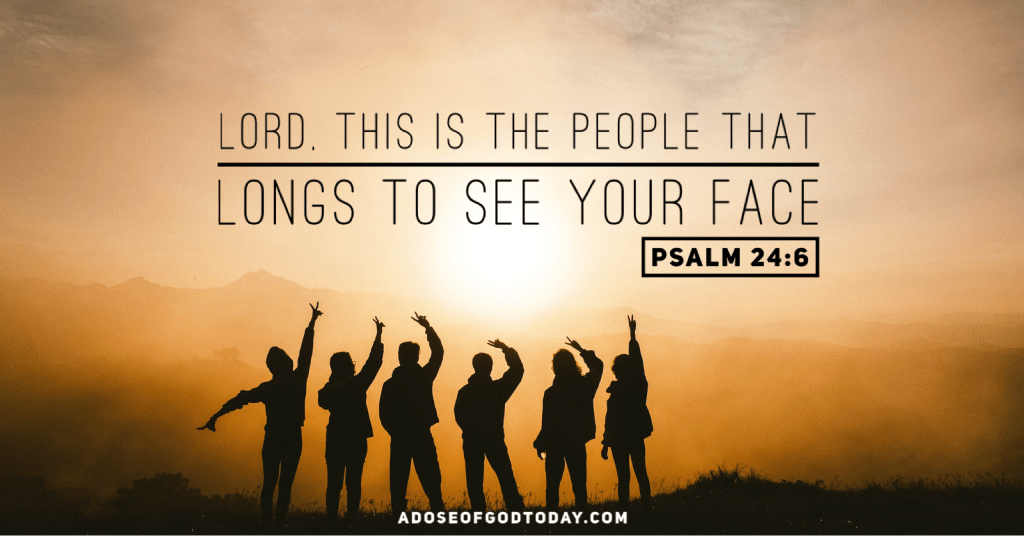
    This tells us of that desire of the human heart to long for God. Indeed, our very life finds its purpose and meaning with God. This is what our Psalm proclaims to us, “Lord, these are the people who longs to see your face.” Our longing for God also explains our deepest hunger and thirst for intimacy and love. God satisfies our deepest longing which sometimes human connection cannot satisfy. Yet, our human experiences of friendship point and bring us to God.

    This is the invitation for us today, that each of us, like all the saints whom we remember today, will grow in friendship with God by knowing ourselves through our weaknesses and strengths and recognizing God who touches every moment of our life.

    Moreover, the Gospel of Matthew which reminds us of the Beatitudes, are the very attitudes of those who are growing in the friendship of God. We become blessed and discover more graces when we begin to realize that we are not the center of everything, but God. The attitudes of dependence and confidence in God, of gentleness and mercy and the desire to be a person for others are fruits of that friendship with God.

    “Thus, difficult situations are turned into graces. Failures are turned into opportunities and windows for mercy. Friendship is turned into door of conversion and blessing.”

    Again, in the first letter of John, we are reminded that we are God’s children, and this is who we are. We are God’s beloved sons and daughters. It is God who claims that we are His. Hence, we too can confidently say now, I am God’s beloved and God is my dearest friend!”

    Allow this powerful words and our powerful God to transform us today and the rest of our life just as saints were transformed!

    Whatever difficulty we are experiencing at this moment, never lose hope with yourself or with God because God never loses his hope in us. Believe in your friendship with God.

    Hopefully, by being more aware of our identify as God’s children, we too shall grow every day in our friendship with God and with one another. Remember this too, “a true friend of God recognizes the face of God with others,” with our brothers and sisters and with the rest of God’s creation. Hinaut pa.

    Jom Baring, CSsR
  • Of Pride and Humility

    Of Pride and Humility

    Advertisements

    November 1, 2020 – Solemnity of All Saints

    Click here for the readings (https://bible.usccb.org/bible/readings/110120.cfm)

    Homily

    What makes angels & saints blessed? What makes devils & sinners cursed?

    St. Augustine once said: “It was pride that changed angels into devils; it is humility that makes men as angels.” It is a matter of pride & humility then that makes people saints or sinner, angels or saints.

    You see, pride is concerned with WHO is right; humility is concerned with WHAT is right. Though both are concerned about right, pride is more on the authority & power, against humility, which is more on the moral principles of right & good. Pride encourages us to scream, “That’s just the way I am” in the hope that we will not hear the soft whisper of humility, asking us, “Yes, but is that the way you should be?”. “Well, this is Me… but should Me be it?” Ganito kasi ako… pero dapat ba akong ganito? Ani naman gud ko… pero angayan ba nga ani lang ko? Pride is being influenced by Shallow Loud Noisy voice of the evil that makes us artificial/fake/plastic, while humility is being inspired by Gentle yet Deep Soft Sound of the Spirit that makes us real & true, warts & all, broken yet blessed before God and others.

    In the Sermon of the Mount, Jesus in our gospel proclaims us through the Beatitudes how Blessed we are (for the Kingdom of God, comfort, inheritance, satisfaction, mercy, being God’s children & Kingdom of Heaven). We are blessed not because of our actions – of what we have done & doing in our lives but moreso because of God’s graces – of what God gives us & God is doing in our lives. We are more so blessed then because of God grace & action, regardless of our doings. However, God’s gift of blessings for us is fully enjoyed & fulfilled in life if and when we are humble enough to acknowledge, value and share these with others. Our humility makes us more well-disposed and appreciative of the fruits of God’s blessings in our lives, and willing to partake it with others, though our pride could render us insensitive and hinders us to fully benefit from God’s grace, and thus making ours and other people’s lives miserable and cursed.

    Today is All Saint’s Day. We honor ALL saints – both the recognized & unrecognized officially by Church. You see, saints or saintly people are in essence like us Christians who humbly witnesses in their faith and lives God’s blessings to all. They are Christians like us – “the people that longs to see your face, O Lord”, who not only by their words & deeds but also by their faith and life, have struggled and still struggling (along with suffering, mistakes, & success) to be humbly real and true to their chosen vocation in life & to fulfill their special mission in God’s grace and kingdom, and in effect have greatly influenced other people’s faith & life.

    Simply put, saints are fellow-Christians who have greatly infected and influenced now our very person and faith as Christian. Somehow and in someway, because of them & through them, we become Christians now. So, think of all saintly people whom you have crossed paths in life and have made you know, love & follow Christ in your life. Perhaps parents, grandparents, relatives, teachers, neighbors, catechists, friends, priests, sisters – both living and dead. Yes, both living and dead, as long as they have influenced and are still greatly influencing your life then-now and always as Christian, because they are & have been SAINTS to you and others. Remember and include them in your prayers these days. Eternal rest to those who have already gone before us. More blessings & witnessing for those who are still with us now, like you and I are still humbly leading our Christian lives saintly – struggling to be true to our calling, fulfilling our mission to be witnesses of God’s blessings and hoping also to influence other’s faith and life – blessed yet broken we maybe.

    Again, being blessed or being cursed, being saint or sinner is a matter of humility and pride.  Our life nowadays amidst quarantine during pandemic times can be a Curse if and when in pride we are ungrateful, ungracious, and greedy of God’s blessings before us… but can be a Blessing if and when we humbly recognize, value, and share God’s blessing with one another, especially those who are in need at this time. We all do need God’s blessings at this time in history. So Let us be a Blessing than a Curse to one another. Rather than remain to be a proud sinner (a pain in the… neck 😉), try to be a humble saint (a helping hand, a gentle presence, a lending ear) to others. With the examples & witness of the saints, may we joyfully admit How Blessed we are by humbly saying: “This is not mine only but Ours to Share” & not by proudly insisting: “This is Mine alone and not yours”. So may it be. Hinaut pa unta. Amen.

    By  Fr. Aphelie Mario Masangcay, CSsR 

  • Places of Honor and Self-Entitlement

    Places of Honor and Self-Entitlement

    Advertisements

    October 31, 2020 – Saturday of the 30th Week in Ordinary Time

    Click here for the readings (https://bible.usccb.org/bible/readings/103120.cfm)

    Homily

    Jesus must have been a very observant person. He noticed the attitudes of the people who were invited in an event. He saw how each one sought to secure for themselves places of honor at the table. If we would imagine, the guests must have been fighting to sit near the host since that would tell everybody that he is higher in status or more important than others. To occupy a place of honor is to insist that the person is entitled to it because of that status, or relation, or influence he has.

    We must have heard or met people who demanded others to give them special treatment. Or we might be the very person also who seek to be given privileges and special recognition because of our status, successes and achievements, profession or degree, influence and wealth or because of our relation to someone who is important in the community, in our workplace, or organization or even in the Church. We fall into the temptation to be self-entitled just like the people Jesus was talking about, when we are filled with arrogance and self-importance.

    Self-entitled persons are very demanding and think too highly of themselves. Thus, when we turn to be self-entitled we demand respect from others rather than earn respect. This is how we will become demanding in our relationships. Yet, we become critical of people around us and tend to only see the wrong in the other person. We will become stingy of our time and energy and ungenerous of our resources and presence to those who ask for our help. Most of all, we become indifferent to people around us and indifferent to God.

    Thus, what Jesus also criticized and called for conversion is the “indifference” among self-entitled persons. Because of their self-importance and demand to be respected, a self-entitled person becomes indifferent to what others feel and to what others need. What is more important for a self-entitled, is self-satisfaction and recognition from others.

    However, this attitude does not worship God. Such attitude would even demand God to be gracious because of his righteousness.

    Jesus warns us, anyone who exalts himself will be shamed because God does not favor a self-entitled. A self-entitled person is hated in the community. We may be praised because we demand it, but we are despised because we are truly not deserving. God, rather, takes delight with the humble because the humble connects and relates with others, with sincerity and honesty.

    Thus, God exalts the humble because of the awareness of the person of his needs and shortcomings. May we grow, then, in humility and get rid of any form of self-entitlement in our hearts. Hinaut pa.

    Jom Baring, CSsR

  • Our Loving Response

    Our Loving Response

    Advertisements

    October 30, 2020 – Friday of the 30th Week in Ordinary Time

    Click here for the readings (https://bible.usccb.org/bible/readings/103020.cfm)

    Homily

    Paul’s letter today reveals how warm his heart to people who were significant in his life. The Philippians who were Paul’s converts had a special place in his heart. This is how Paul also expressed his affection and longing of friendship with them. Moreover, Paul was even more grateful for the friendship he had with the Philippians, something that gave so much confidence and strength to Paul.

    This tells us how friendship supports and gives assurance to people especially in difficult times. Paul was in prison, probably in Rome or in Ephesus, when he wrote his letter to them. While in prison, Paul must have a hard time. However, his friendship with these people was a source of comfort to him. Remembering them gave him joyful memories that must have eased the pain and loneliness while being persecuted.

    Paul, indeed, gave life to this community through his ministry of preaching of the good news. In return, the community also gave him the Spirit of friendship and love.

    This is a true loving response between people bounded in their friendship with the Lord. Paul’s deep friendship with the Lord compelled him to preach Jesus and bring the Risen Lord to the communities he encountered. Those communities like that of the Philippians developed such friendship too with one another and with Paul that mutually guides, supports and gives life to them.

    Such loving response is the prayer of Paul also to the Philippians, he said, “and this is my prayer: that your love may increase ever more and more.”

    This kind of loving response is what we also witnessed in today’s Gospel. Jesus seeing a man suffering from dropsy was moved to heal and free the person. Jesus had so much affection for this man that he could not stand anymore seeing him suffering. The Lord’s desire was for every man and woman to have the fullness of life.

    Despite the very situation of Jesus, he took the risk of healing the sick man in front of the those powerful people, the Pharisees. Though the Pharisees were silent when Jesus asked them, “Is it lawful to cure on a Sabbath or not?,” but their silence was filled with malice and hostility against Jesus.

    Jesus took the risk because what he had was a loving response to a person in need. What matters most was his action to love and to assure the person that God has not left him.

    This is what Jesus is also reminding and calling us today. We are called to respond in love and show our affection to people. Like Paul, let us also show with confidence our love and affection to those who are special in our life. Like Jesus too, let us not forget to assure, even the strangers, that as Christians, we are here to love and show concern to those who are in need. Hinaut pa.

    Jom Baring, CSsR

  • Drawing Strength from the Lord

    Advertisements

    October 29, 2020 – Thursday of the 30th Week in Ordinary Time

    Click here for the readings (https://bible.usccb.org/bible/readings/102920.cfm)

    Homily

    When life gets rough, where do you get your strength? When life seems unfair, where do you get your courage?

    Paul in his letter to the Ephesians, reminds us today to draw strength from the Lord and to pray at every opportunity in the Spirit. Paul acknowledges how life as a Christian can be so demanding and challenging. Aside from the personal issues and problems, there will be rejections and oppositions coming from those with evil intentions.

    With this, Paul tells us today to always find strength from God and not from our arrogance and self-confidence. The Lord is our rock, source of our strength, as our Psalm proclaims today.

    Paul enumerates the values where we can draw that strength from God. When we are truthful and honest, standing to what is right, embracing peace, holding to our faith and meditating upon the word of God, then, we shall always draw God’s strength in life. We are being promised that in whatever circumstances we are in, we shall always have the strength of God.

    This is something that Jesus showed us also today in the Gospel. Despite the opposition and the resistance of the people in Jerusalem, Jesus remained steadfast and confident in the Father. Jesus never surrendered in us, to gather us together and bring us closer to God. Jesus desires that we will all be reconciled to him.

    In his ministry, Jesus drew strength from the Father and the love that they share for all. Thus, God yearns for the freedom of all.

    Today, Jesus also calls us that when life gets rough and when life seems unfair, draw strength from him. Paul suggests that we pray to the Spirit at all times, at every opportunity. Praying to the Spirit makes our heart and mind more attuned and familiar to God’s way. This will allow us to become more responsive to God’s invitation for us. Hinaut pa.

    Jom Baring, CSsR