
March 15, 2026 – Fourth Sunday of Lent
Click here for the readings (https://bible.usccb.org/bible/readings/031526.cfm)
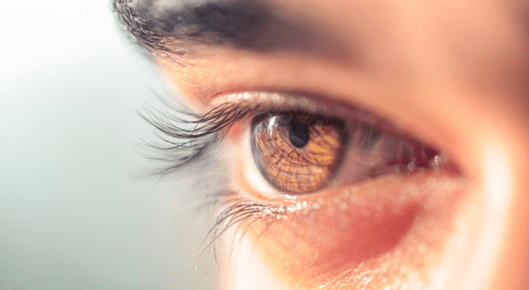
This Fourth Sunday of Lent is traditionally called Laetare Sunday, a word that means “Rejoice.” In the middle of the Lenten journey, the Church invites us to pause and remember that our path of repentance ultimately leads to joy. But the readings today suggest that this joy comes only when something in us is healed and when our way of seeing begins to change. Many times we look at people, situations, and even ourselves through limited human judgments. God, however, invites us to see differently and that is to see with the eyes of the heart.
In invite you now that we discern together the readings this Sunday and take the invitations and challenges of God for us.
In the first reading from the First Book of Samuel, the prophet is given the difficult mission of choosing a new king for Israel. Samuel carries this responsibility seriously because the people need a leader who will guide them according to God’s will. Yet in the process of discernment, Samuel almost makes a mistake. When he sees the strong and impressive sons of Jesse, he immediately assumes that one of them must be God’s chosen one. Their appearance, strength, and stature seem fitting for a king.
However, God corrects Samuel with words that reveal a deeper truth. The Lord said, “Not as man sees does God see, because man sees the appearance but the Lord looks into the heart.” Samuel, despite being a prophet, had also been influenced by ordinary human ways of judging. Hence, Samuel looked at what is visible, impressive, and socially acceptable. Only when he learns to see beyond these appearances does he finally recognize David, the youngest and least expected, as the one chosen by God.
The Gospel from John presents another story of blindness, but this time it is both physical and spiritual. Jesus encounters a man who has been blind since birth. Interestingly, the man does not ask to be healed. It is Jesus who takes the initiative. At that time, many people believed that illness or disability was a punishment for sin either the sin of the person or of his parents. The disciples themselves ask Jesus, “Who sinned, this man or his parents?”
Jesus rejects that way of thinking. The blindness of the man is not a punishment but an opportunity for God’s work to be revealed. Jesus heals the man, restoring his physical sight. But the deeper healing unfolds gradually. Through the events that follow, the man begins to recognize who Jesus truly is. His physical sight leads him toward spiritual vision. He moves from simply calling Jesus “the man,” to recognizing Him as a prophet, and finally professing faith in Him as Lord.
Meanwhile, the Pharisees who physically can see remain spiritually blind. They refuse to accept what God is doing before their very eyes. Their rigid expectations and their attachment to their own interpretations of the law prevent them from recognizing God’s presence. In contrast, the man who was once blind becomes the one who truly sees.
These readings invite us to examine our own way of seeing. Many of the struggles in our society today arise because we easily judge based on appearances. In our Filipino context, we sometimes value status, wealth, or influence more than integrity of heart. People can easily be dismissed because of their poverty, their mistakes, or their past. Sometimes we even label people permanently by their failures.
Yet, the Lord reminds us today that He sees beyond what the eyes can see. Indeed, God looks into the heart. And this invites us to a deeper kind of discernment. We are presented with three challenges.
First, we are challenged to look beyond appearances and recognize the dignity of every person. The poor, the struggling, and those who have made mistakes should not be quickly judged or dismissed. Like David, God often works through those whom society least expects.
Second, we are challenged to examine our own blindness. Pride, prejudice, and self-righteousness can prevent us from recognizing God’s presence in our lives. Like the Pharisees, we may think we see clearly when in fact we remain blind to God’s grace at work around us.
Third, we are called to bring light to others. St. Paul reminds us in the second reading that we were once in darkness but are now children of light. When we begin to see as God sees, we become instruments of healing, helping others rediscover hope and dignity.
Lent is therefore, not only about giving things up. It is also about allowing God to heal the blindness of our hearts. As our vision expands, we begin to recognize Christ more clearly in our lives, in our struggles, and in the lives of the people around us.
For our takeaways this Sunday, there are two.
First, look beyond appearances. God sees the heart, and we are invited to do the same.
Second, ask God to heal your blindness. Through humility and faith, we learn to recognize Christ in the people and situations around us. Hinaut pa.
 A DOSE OF GOD TODAY
Leave a comment